Sujet résolu
L'auteur a trouvé une solution à son problème.



Depuis 1945-46 c'est interdit, il y a des traités signés qui l'empêche

Les traités n'engagent que ceux qui les respectent

Si demain l'Allemagne et l'Autriche annoncent leur fusion, personne ne pourra rien dire
Et si Biden le tente, les chinois et russes pourraient tout faire pour emmerder le vieux sénile
Si demain l'Allemagne et l'Autriche annoncent leur fusion, personne ne pourra rien dire
Et si Biden le tente, les chinois et russes pourraient tout faire pour emmerder le vieux sénile
Soldat du Cinquième Régiment du NNN - matricule R5-01
il y a 3 ans
Sponsorisé
Connectez-vous pour masquer les pubs

Alors comment dire....

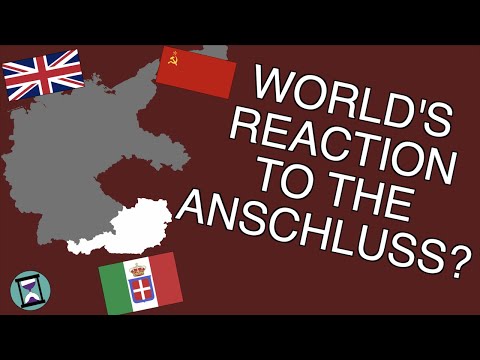
 The Complete History of the Anschluss
On 2nd June of 1919, the Austrian delegation arrived at Saint Germain outside of Paris to receive their peace terms after their defeat in WW1. Thse delegation represented Austria who was not even close to be the size of what Austria Hungrary empire used to be. Even before 1919, the empire was in his way out, even the British and French's empires. The Hungrarians were the storngest minorities to want independence. Within the borders, you had serbs, croatians, poles, lithuanians, romanians, slovakians, slovenians. Even italians. All wanting independance or to return to their ethnic state. In Italian and Romanian case, in order to successfully gain independence, they needed a crisis. And It happened in 1914. Suddently, all the papers covering the empire began to desintegrate. The Empire exploded and the remained states were firmly in the Allied camp here. There was now one looming question. Who tp punish? Surely it couldn't be these new nations states who according to the nation states themselves were always on the Allied side despite the reality. But obviously all these ethnic groups fought on both side by choice or by force. This left Austria and confusingly Hungrary who was pusnih far harder than Austria to pay the bills. The Austrian state turned up to Versailles to avoid that. But the reality is that someone had to pay the debts. Carl Renner, the new Austrian chancellor, said to the Allies. : " We stand before you as one of the vanquished and fallen empire. In the same way, as the other nation states, our republic was sprung to life. Consequently she can no more than the former be considered the success of the late monarchy. " Many British legal experts agreed but many did not. Most of all, the Italians hoped to gain wathever they could at Austria's expense during the conference much to the annoyance of their allies.
British prime minister Lloyd George quite liked the Austrians and didn't have particular hostility. French prime minister Clemenceau's brother was even married to an Austrian. " Unlike Germany or Hungrary, Austria was too poor and too small to be a threat. It had no strong sense of nationalism. " In 1919, the reshape of Austria looked like a tiny body with huge head. Palaces, vast offices, churches, grands avenues, parade grounds, were built not for the rulers of not 5 but for 50 millions of people. Austria was the heart of the Austrian Hungrary empire. But a heart cannot function without the rest of the body. It was a state with no direction left to find his own way almost immediatly. The coutry was in a sorry state. In Vienna alone, there was 125 000 unemployed. The coutryside was a Barren Wasterland. The livestock had all been used up. Shops were empty. DIseases were rising. Even middle class girls sold themselves into prostitution in order to eat. And starving childrens line the streets begging for a morsel of food. Worse, people had to be ripped from their countrymen and had been assigned to others nation with no regard about what the Austrians themselves felt about it. The Czech took 3 millions of ethnic Germans with them. 2 fifth of the Austrian population was concerned with these movings. Austria was furious. Because after all, wasn't peace supposed to be after Wilson's famous self determination principle. Among the depression, an idea rised, the Anschluss. Chancellor Renner recalled quote : " The fear of famine and unemployment and the sudden contraction of the field for entreprise made everyone think of Anschluss as the only possible solution. ".
And it wasn't just people as a whole. On 12nd November 1918, the day after the war ended, the Austrians government passed a resolution in favor of uniting with Germany. Negociations were opened. The fear is that the Austrian catholic heritage might get swallowed by the protestant north. But reality is that the majority of German population was catholic and seemed to be getting alone fine especially Bavaria who shared by far the most cultural similarities with the Austrians. Both sides were cautious during the negociations however. The Austrians wanted their unique character to be respected. The Germans didn't want to annoy the peacemakers in Versailles before they received their terms. Not only it was not time for such union but the allies banned this idea mostly on the wishes of french representatives. French representatives in Austria even before this had warned Austria to not go ahead of such an union. If they did so thei said their terms would not be such benevolent. Austria, interwar, was in a confused situation. it was a small country with no direction. Mussolini in Italy saw it as a buffer state against Germany. As a result, the nation drifted politically toward fascism. In the north, people drifted toward national socialisme. Inflation post war was extremely though but eventually the nation maanged to get a handle on this. The Great Depression however, was an another story. The effects of the Wall Street crash absolutly rocked Austria. In May 1931, the biggest bank in the coutry collapsed. In a form of a custom union with Germany, the Anschluss came back as a solution for some. But they were once again denied.
Following year, Engelbert Dolphus of the social party took power and the nation slid into authoritarian regime. Dolphus was running a nation that was becoming more and more national socialist. Dolphus argue that Austria must remain separate for the sake of preserving their unique identity especially catholicism but since most germans were catholics, that could be interpreted as his wish to keep power only.
Mussolini was in good terms with Dolphus. They appeared to be friends both politically and socially. However what Dolphus and public wanted continued to widen although for now his position was safe as Hitler continued to move from strenght to strenght. Dolphus position still became more difficult as he desperatly tried to keep a lid on things in 1934. Issues would erupt to the surface in the form of civil war. This civil war was a failure and could barely be called a civil war at all due to its tiny and unorganized scale. But it showed direction things were taking. As a result of uprising, Dolphus cracked down hard and Hitler chose to keep safe distance from the situation. He would let his opportunity to feet up and let the Austrians chose their own future as it was clear which way wind was blowing even if Dolphus had not yet. realized this. In may, a one partystate was declared and the official title of the state was changed from Republic of Austria to the Federal State of Austria. Dolphus was forming his own and unique dictatorship. It was clear that him and his variation of fascism, austrofascism was declaring war on national socialism. Crackdown only increased after the one party state was annnouced which was rather understandable given the fact he didn't act. The national socialists would eventually come to power under a democratic system . Sadly for Dolphus the nation socialists had a diferent idea in their mind. Their response to the crack down was simply to get rid of Dolphus, the only that could realy stand in their way of their rise to power. On 25th July of 1934, 154 Austrian SS mens marched into the chancellery disguised as soldiers and shot Dolphus. The killer was a man named Otto Planeta. He himself would be executed in the vents to come. Buthe went to become something bigger for the Austrian nazis and the Germans up north.
He became a martyr for the national socialists, in the same vein as those Germans who fall in the failed beer hall put in 1923. in Munich. The assassination was a success. But the coup was not. A couple of 100 people died in all on both sides. 13 were executed for their role in the coup, including Planenta. 4 000 rebels were sent into prison including many police officers. Many more fled into hiding in neighbooring countries including Yougoslavia or Germany itself. Hitler on the other hand was absolutly livid. He flew into rage. It was evident that almost immediatly he would be blamed despite the reality being quite opposite. Mussolini came into the same conclusions. He had the task to tell Dolphu's family who were currently staying with him for a time visit. About the Chancellor's death, Mussolini offered Austria full support in case of Germany sending troops here. He said : " Hitler is the murderer of Dolphus. He is the guilty man. He is responsible for this. And he flew into rage about all the things Hitler from fuhrer's personnal life all the way down to national socialism in general or the German race.Luckily for Europe, war didn't break out, And Hitler didn't have any intention doing so. In fact when he heard there were negociations for the murderer of Dolphus to be sent to Germany, he went berserk. He said that he would have the expelled conspirators taken into protective custody and transferred to a concentration camp. " Kirchhausening was the man choosen to replace Dolphus. The crisis was just beginning however and Kirchhausening had quite tasks into his hands.
YouTube
Vidéo YouTubeOn 2nd June of 1919, the Austrian delegation arrived at Saint Germain outside of Paris to receive their peace terms after their defeat in WW1. Thse delegation represented Austria who was not even close to be the size of what Austria Hungrary empire used to be. Even before 1919, the empire was in his way out, even the British and French's empires. The Hungrarians were the storngest minorities to want independence. Within the borders, you had serbs, croatians, poles, lithuanians, romanians, slovakians, slovenians. Even italians. All wanting independance or to return to their ethnic state. In Italian and Romanian case, in order to successfully gain independence, they needed a crisis. And It happened in 1914. Suddently, all the papers covering the empire began to desintegrate. The Empire exploded and the remained states were firmly in the Allied camp here. There was now one looming question. Who tp punish? Surely it couldn't be these new nations states who according to the nation states themselves were always on the Allied side despite the reality. But obviously all these ethnic groups fought on both side by choice or by force. This left Austria and confusingly Hungrary who was pusnih far harder than Austria to pay the bills. The Austrian state turned up to Versailles to avoid that. But the reality is that someone had to pay the debts. Carl Renner, the new Austrian chancellor, said to the Allies. : " We stand before you as one of the vanquished and fallen empire. In the same way, as the other nation states, our republic was sprung to life. Consequently she can no more than the former be considered the success of the late monarchy. " Many British legal experts agreed but many did not. Most of all, the Italians hoped to gain wathever they could at Austria's expense during the conference much to the annoyance of their allies.
British prime minister Lloyd George quite liked the Austrians and didn't have particular hostility. French prime minister Clemenceau's brother was even married to an Austrian. " Unlike Germany or Hungrary, Austria was too poor and too small to be a threat. It had no strong sense of nationalism. " In 1919, the reshape of Austria looked like a tiny body with huge head. Palaces, vast offices, churches, grands avenues, parade grounds, were built not for the rulers of not 5 but for 50 millions of people. Austria was the heart of the Austrian Hungrary empire. But a heart cannot function without the rest of the body. It was a state with no direction left to find his own way almost immediatly. The coutry was in a sorry state. In Vienna alone, there was 125 000 unemployed. The coutryside was a Barren Wasterland. The livestock had all been used up. Shops were empty. DIseases were rising. Even middle class girls sold themselves into prostitution in order to eat. And starving childrens line the streets begging for a morsel of food. Worse, people had to be ripped from their countrymen and had been assigned to others nation with no regard about what the Austrians themselves felt about it. The Czech took 3 millions of ethnic Germans with them. 2 fifth of the Austrian population was concerned with these movings. Austria was furious. Because after all, wasn't peace supposed to be after Wilson's famous self determination principle. Among the depression, an idea rised, the Anschluss. Chancellor Renner recalled quote : " The fear of famine and unemployment and the sudden contraction of the field for entreprise made everyone think of Anschluss as the only possible solution. ".
And it wasn't just people as a whole. On 12nd November 1918, the day after the war ended, the Austrians government passed a resolution in favor of uniting with Germany. Negociations were opened. The fear is that the Austrian catholic heritage might get swallowed by the protestant north. But reality is that the majority of German population was catholic and seemed to be getting alone fine especially Bavaria who shared by far the most cultural similarities with the Austrians. Both sides were cautious during the negociations however. The Austrians wanted their unique character to be respected. The Germans didn't want to annoy the peacemakers in Versailles before they received their terms. Not only it was not time for such union but the allies banned this idea mostly on the wishes of french representatives. French representatives in Austria even before this had warned Austria to not go ahead of such an union. If they did so thei said their terms would not be such benevolent. Austria, interwar, was in a confused situation. it was a small country with no direction. Mussolini in Italy saw it as a buffer state against Germany. As a result, the nation drifted politically toward fascism. In the north, people drifted toward national socialisme. Inflation post war was extremely though but eventually the nation maanged to get a handle on this. The Great Depression however, was an another story. The effects of the Wall Street crash absolutly rocked Austria. In May 1931, the biggest bank in the coutry collapsed. In a form of a custom union with Germany, the Anschluss came back as a solution for some. But they were once again denied.
Following year, Engelbert Dolphus of the social party took power and the nation slid into authoritarian regime. Dolphus was running a nation that was becoming more and more national socialist. Dolphus argue that Austria must remain separate for the sake of preserving their unique identity especially catholicism but since most germans were catholics, that could be interpreted as his wish to keep power only.
Mussolini was in good terms with Dolphus. They appeared to be friends both politically and socially. However what Dolphus and public wanted continued to widen although for now his position was safe as Hitler continued to move from strenght to strenght. Dolphus position still became more difficult as he desperatly tried to keep a lid on things in 1934. Issues would erupt to the surface in the form of civil war. This civil war was a failure and could barely be called a civil war at all due to its tiny and unorganized scale. But it showed direction things were taking. As a result of uprising, Dolphus cracked down hard and Hitler chose to keep safe distance from the situation. He would let his opportunity to feet up and let the Austrians chose their own future as it was clear which way wind was blowing even if Dolphus had not yet. realized this. In may, a one partystate was declared and the official title of the state was changed from Republic of Austria to the Federal State of Austria. Dolphus was forming his own and unique dictatorship. It was clear that him and his variation of fascism, austrofascism was declaring war on national socialism. Crackdown only increased after the one party state was annnouced which was rather understandable given the fact he didn't act. The national socialists would eventually come to power under a democratic system . Sadly for Dolphus the nation socialists had a diferent idea in their mind. Their response to the crack down was simply to get rid of Dolphus, the only that could realy stand in their way of their rise to power. On 25th July of 1934, 154 Austrian SS mens marched into the chancellery disguised as soldiers and shot Dolphus. The killer was a man named Otto Planeta. He himself would be executed in the vents to come. Buthe went to become something bigger for the Austrian nazis and the Germans up north.
He became a martyr for the national socialists, in the same vein as those Germans who fall in the failed beer hall put in 1923. in Munich. The assassination was a success. But the coup was not. A couple of 100 people died in all on both sides. 13 were executed for their role in the coup, including Planenta. 4 000 rebels were sent into prison including many police officers. Many more fled into hiding in neighbooring countries including Yougoslavia or Germany itself. Hitler on the other hand was absolutly livid. He flew into rage. It was evident that almost immediatly he would be blamed despite the reality being quite opposite. Mussolini came into the same conclusions. He had the task to tell Dolphu's family who were currently staying with him for a time visit. About the Chancellor's death, Mussolini offered Austria full support in case of Germany sending troops here. He said : " Hitler is the murderer of Dolphus. He is the guilty man. He is responsible for this. And he flew into rage about all the things Hitler from fuhrer's personnal life all the way down to national socialism in general or the German race.Luckily for Europe, war didn't break out, And Hitler didn't have any intention doing so. In fact when he heard there were negociations for the murderer of Dolphus to be sent to Germany, he went berserk. He said that he would have the expelled conspirators taken into protective custody and transferred to a concentration camp. " Kirchhausening was the man choosen to replace Dolphus. The crisis was just beginning however and Kirchhausening had quite tasks into his hands.
il y a un an
Interdit depuis 1945 car ça rappelle les heures sombres.

In 1937, Neville Charmberlain came to power in England and set up to find an understanding with Hitler. Many others at time including general public in Great. Great Britain were seeing some logics in Hitler's arguments. The Great War propaganda had worn off with time and in general, Versailles was seen as harsh and brutal. The msot hated aspect was the lack of self determination given to the Germans which was at the end of the day the entire reason they amde peace. The Germans had been locked into Denmark, Belgium, France and Italy. These, Hitler was willing to writte off. Sure he would prefer them at home but he simplyu wasn't worth the trouble. These coutries were stable and safe. The Germans got along well enough except maybe in Italy case where they were being italianized by Mussolini. Hitler was happy enough to write them off most of the annoyance of some in the party in order to appease Mussolini. The problem wasn't in Denmark, France, Belgium and Italy however. It was in Austria, Czechoslovakia and Lithuania. The Austrians had been refused the wish of an Anschluss. The Czechs absorbed 3 millions Germans who didn't want to be here at all. Their territory however was incredibly valuable to the Czechs. Without it it would fall apart, which it later did. The Lithuanians held Memel where the Germans once again weren't happy at all. Both of these latter cases, they were being mistreated.. At some point Hitler wanted them all back home. First crisis was not any of these however. It was in Austria. The Germans weren't mistreatened for their ethnicity. But regardless, the people wanted to come home and the barrers begin the desintegrate. There were 3 main characters in this. The Austrian government itself, Mussolini and the British. The french at this point, didn't really matter so much. Their foreign policy was just about an alliance with the British.
The Austrian government was stil determiend to keep Austria dependent. But this was harder than it sounded. By 1938, the public was actually clamoring the be united with Germany. Germany, had come from being economically completly ruined to being the leader of Europe within the space of 5 years. And the Austrians as Germans themselves wanted to be a part of it. Austrian Germans felt they could be proud of their people again and patriotic feelings were running high. Many grew tired and sicks of the excuses of the government kept coming for not such an union to happen. The Germans wanted this as much as the Austrians. There were still two barrers however. First was Mussolini. Mussolini as mentionned earlier saw Austria as a buffer state against Germany. But now him and Hitlers were allies in regard to foreign policies, they agreed to follow the same path during Mussolini's 1937 visit to Berlin. Hitler had given Mussolini a free hand into the Mediterranean. In return, supposedly, Mussolini had given way on Austria to Hitler. Mussolini was now no longer a problem. The British in the other hand were a more complicated issue. But finally there was some light at the end of the tunnel for Hitler; In november 1937, Lord Halifax came to Germany. The reason on paper was to attend a hunt to a girl ring. But in reality he was sent there to meet Hitler unofficially. Thus why Chamberlain sent him and not his foreign minister who he trusted far less. He said that the British would not interfere in the Austria case.Hitler at first couldn't believe what he was hearing. But he quickly got the hing, either Chamberlain had sent Halifax especially to drop this hint so the 2 nations could be reconciled or Halifax had completly let the cat out of the bag. In fact, Eden warned Halifax not to mention Austria beforehand. Regardless the messsage sent was clear. When the opportunity aroseregarding that Austria could afford to gamble less importantly but still notably even France was soft.
In 1937, Neville Charmberlain came to power in England and set up to find an understanding with Hitler. Many others at time including general public in Great. Great Britain were seeing some logics in Hitler's arguments. The Great War propaganda had worn off with time and in general, Versailles was seen as harsh and brutal. The msot hated aspect was the lack of self determination given to the Germans which was at the end of the day the entire reason they amde peace. The Germans had been locked into Denmark, Belgium, France and Italy. These, Hitler was willing to writte off. Sure he would prefer them at home but he simplyu wasn't worth the trouble. These coutries were stable and safe. The Germans got along well enough except maybe in Italy case where they were being italianized by Mussolini. Hitler was happy enough to write them off most of the annoyance of some in the party in order to appease Mussolini. The problem wasn't in Denmark, France, Belgium and Italy however. It was in Austria, Czechoslovakia and Lithuania. The Austrians had been refused the wish of an Anschluss. The Czechs absorbed 3 millions Germans who didn't want to be here at all. Their territory however was incredibly valuable to the Czechs. Without it it would fall apart, which it later did. The Lithuanians held Memel where the Germans once again weren't happy at all. Both of these latter cases, they were being mistreated.. At some point Hitler wanted them all back home. First crisis was not any of these however. It was in Austria. The Germans weren't mistreatened for their ethnicity. But regardless, the people wanted to come home and the barrers begin the desintegrate. There were 3 main characters in this. The Austrian government itself, Mussolini and the British. The french at this point, didn't really matter so much. Their foreign policy was just about an alliance with the British.
The Austrian government was stil determiend to keep Austria dependent. But this was harder than it sounded. By 1938, the public was actually clamoring the be united with Germany. Germany, had come from being economically completly ruined to being the leader of Europe within the space of 5 years. And the Austrians as Germans themselves wanted to be a part of it. Austrian Germans felt they could be proud of their people again and patriotic feelings were running high. Many grew tired and sicks of the excuses of the government kept coming for not such an union to happen. The Germans wanted this as much as the Austrians. There were still two barrers however. First was Mussolini. Mussolini as mentionned earlier saw Austria as a buffer state against Germany. But now him and Hitlers were allies in regard to foreign policies, they agreed to follow the same path during Mussolini's 1937 visit to Berlin. Hitler had given Mussolini a free hand into the Mediterranean. In return, supposedly, Mussolini had given way on Austria to Hitler. Mussolini was now no longer a problem. The British in the other hand were a more complicated issue. But finally there was some light at the end of the tunnel for Hitler; In november 1937, Lord Halifax came to Germany. The reason on paper was to attend a hunt to a girl ring. But in reality he was sent there to meet Hitler unofficially. Thus why Chamberlain sent him and not his foreign minister who he trusted far less. He said that the British would not interfere in the Austria case.Hitler at first couldn't believe what he was hearing. But he quickly got the hing, either Chamberlain had sent Halifax especially to drop this hint so the 2 nations could be reconciled or Halifax had completly let the cat out of the bag. In fact, Eden warned Halifax not to mention Austria beforehand. Regardless the messsage sent was clear. When the opportunity aroseregarding that Austria could afford to gamble less importantly but still notably even France was soft.
il y a un an



Pourquoi l Allemagne ne récupère pas les sudettes, la partie germanophone de la Pologne et l Alsace Lorraine ?

Il n'y a plus d'allemands dans les Sudètes...
 Best of all, it's a Cadillac
il y a un an




S'agira t il d'une réunification pacifique?

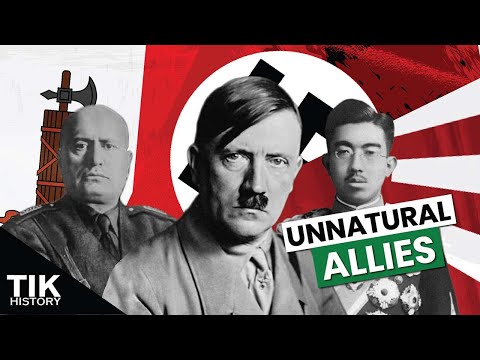 The Axis were not natural allies
BIen des gens ont tendance à dire que c'était logique que l'Allemagne, l'Italie et le Japon soient alliés durant la WW2 étant donné qu'ils étaient tous les 3 dominés par une idéologie ultra nationaliste, impérialiste et raciste. Qu'ils étaient unis également par leur anti communisme, qu'ils étaient réactionnaires. Cela ferait d'eux des alliés naturels. Ken Ishida a écrit un livre intitulé : " Japan, Italy and the Road to the Tripartite Alliance. " Le Japon, l'Allemagne et l'Italie ont été unifiés respectivement en 1867, 1871 et 1871. Source : Captivating History " History of Germany " Pages 45 - 54. Et la page 9 de " Japan, Italy and the Road to the Tripartite Alliance. " Donc plutôt tard comparé aux autres grandes puissances. Ils se sentaient largués par les autres puissances. Du coup, ils ont adopté une politique d'expansion industrielle agressive ainsi qu'une politique de colonisation et d'expansionnisme. " There existed a basic perception among the Axis powers that the West was eager to maintain the status quo and the Axis deserved to be compensated by the advanced imperialist countries. " Page 179 de " Japan, Italy and the Road to the Tripartite Alliance. " " This dual perception had the effect of encouraging agressive acts of expansionnismny each newly emerging imperialist powers. " Depuis qu'elle s'était industrialisée relativement tôt, l'Allemagne était plutôt en avance sur les autres. L'Italie et le Japon par contre, étaient des économies essentiellement agricoles avec la moitié de la population travaillant dans le domaine agricole. La faible production a affaibli les marchés domestiques. Donc ils ont étendu leurs industries et leurs territoires d'outre mer pour surmonter le problème. L'Italie et le Japon se développaient quand la Grande Dépression les frappa.
Cependant, il est à noter que l'Italie a été moins touchée et que donc l'argument des 3 pays qui seraient unis par la crise qui les aurait térassé plus que n'importe quel autre pays ne tient pas non plus. " The crisis did not hit Italy as more developed countries because its economy was less tied to the world market and was still prepoderantly agricultural : until 1937 the agricultural sector was worth more than the indistrual sector. " Farrel. " Mussolini : A New Life ". Chapitre 11. Avec la baisse des salaires et le chômage de masse la réaction des japonais a été d'utiliser ces travailleurs supplémentaires pour conquérir. En septembre 1931, le Japon envahit la Mandchourie puis l'occupe en février 1932. La ligue des nations réagit en recommandant que la Mandchourie devienne un état sous la souveraineté chinoise. Source " The National Archives " Credibility and end of the league. " Mais le temps que la commission Lytton annonçait cela, les Japonais avaient consolidé leurs possession en Mandchourie et rejetés la proposition avant de quitter la ligue des nations en mars 1933. Après que Roosevelt appelle les nations de ce monde au désarmement et à l'abolition des armes offensives, Hitler est d'accord. Après il faut dire qu'ils n'avaient pas de puissance militaire à ce stade dans tous les cas. Mais il voulait que l'exemple soit donné. Les nations de ce monde ne l'ont pas fait. Shirer écrivait à la page 263 de " The Rise and Fall of the Third Reich " When it became clear early in October that the Allies would insist on an interval of eight years to bring their armaments down to Germany's level Hitler abruptly announced on October 14 that, denied equality of rights by the others powers at Geneva, Germany was immediatly withdrawing from the Disarmament Conference and from the League of Nations. "
L'URSS rejoint ensuite la Société des Nations durant l'automne de la même année, suscitant des critiques mais qui a montré quelques trucs importants. A Brenner Pass, Mussolini a envoyé 4 divisions pour essayer de convaincre Hitler de ne pas incorporer l'Autriche au Reich après l'assassinat du leader fasciste Dollfuss par les nazis. Source :" Buchanan " Churchill, Hitler and the Unecessary War " Pages 136 - 139. Muller " Enemy at the East " Page 37. A ce moment là l'Armée allemande n'était pas assez puissante pour affronter l'Armée italienne. " Mussolini had saved Austria from the Anschluss. In September, Great Britain, France and Italy signed yet another piece of paper - a joint declaration pledging to preserve Austrian independence. " Farrel. Source : Chapitre 11 de " Mussolini : a New Life ". Cela montre qu'à ce moment là, les fascistes italiens et autrichiens n'étaient pas du même côté que les nationaux socialistes allemands. " Unlike Hitler, he ( Mussolini ), had no desire to conquer much in Europe. Certainly he did not want an alliance with Germany, whom he regarded as an enemy. " Farrell. Source : Chapitre 12 de : " Mussolini : A New Life. Le fait que l'URSS ait rejoint la Société des Nations montrent que les sociétés démocratiques/capitalistes et fascistes ( pas les nationaux socialistes ), étaient décidés d'inclure les communistes. Il n'y avait pas de raison de penser que les ennemis de l'Allemagne pourraient être divisés. Mais Mussolini fait une erreur. Etant une nation essentiellement agricole au milieu de la Grande Dépression, Mussolini a décidé qu'il fallait un triomphe militaire pour distraire le peuple italien.
" Given that the league had done little to stop Japan's undeclared war with China over Mandchuria on Septembre 1931, except appoint a commission, Mussolini can be forgiven for thinking that the league, dominated by Great Britain and France, would respond in a similar way on Ethiopia. " Farrell. Chapitre 12 de : " Mussolini : A New Life ". " After all, what he intended in Ethiopia they had recently done in Morocco and Egypt. " So he invaded Ethiopia in October 1935. His reasoning was fairly sound. Vu que les français et les britanniques ont conquérit de larges part de l'Afrique et du monde, Mussolini s'est dit uqe l'Italie pouvait faire de même.. Comme les autres avaient argumenté durant leurs conquêtes, il civiliserait les barbares, les convertirait au christianisme et abolirait l'esclavage. Le problème est qu'en Grande Bretagne comme en France, l'attitude par rapport à la colonisation a changé. Les 2 pays n'appréciaient pas qu'un nouveau venu fasse de même. Aussi ils commençaient à voir leur empire plus comme un poids que comme quelque chose de positif. L'Ethiopie avait rejoint la Société des Nations donc Mussolini avait violé cela également. Il y eut donc un embargo sur l'Italie, pas un embargo sur le pétrole certes car ils voulaient éviter la guerre du moins dans l'immédiat. Aussi parce que les Britanniques et les Français espéraient que l'Italie pourraient être utilisée contre l'Allemagne. Il y avait aussi des maneuvres pour une possible guerre entre la Grande Bretagne et l'Italie. De son côté Hitler avait réagi en envoyant des armes à l'Ethiopie ce qui montre que les 2 pays n'étaient pas alignés à ce moment là. A ce moment là, Hitler espérait une alliance avec la Grande Bretagne tout en espérant freiner Mussolini dans un conflit pour s'attirer les regards de la Grande Bretagne et de la France. Cela non seulement aurait affaibli Mussolini mais en plus cela aurait empêcher de protéger l'Autriche.
Le 7 mars 1936, Hitler remilitarise le Rhénanie au moment où la guerre continue de s'embourber en Ethiopie. En 1934, il est à noter que l'Italie avait aidé à la construction d'une usine de construction d'avions en Chine à Nanchang et donné des armes et conseils militaires à la Chine. Source : " " Japan, Italy and the Road to the Tripartite Alliance. " Page 179. Au milieu des années 1930, Hitler envoyait aussi des armes à la Chine parce qu'il y a eu cette volonté d'empêcher la Chine de glisser dans le camp soviétique. Source : Page 171. Donc non seulement l'Allemagne et l'Italie n'étaient à ce moment là pas alignés, mais en plus de cela ils n'étaient pas même sur la même ligne que les Japonais. Certes il y avait une ambiance de racisme à l'égard de ceux qu'ils appelaient la race jaune mais les Chinois étaient aussi vus comme de la race jaune. Pourtant, cela ne les avait pas empêché d'aider les Chinois donc clairement la question de la race n'était pas la raison pour laquelle ils n'aidaient pas les Japonais, au contraire même. Hitler voulait un maximum d'alliés contre l'Union Soviétique. Et Hitler et Mussolini se tournaient tous deux vers la Chine aussi pour des raisons commerciales. La chose qui unissait vraiment l'Allemagne et le Japon à l'époque était leur détestation du communisme et de l'URSS en particulier. Du coup le 25 novembre 1936, l'Allemagne et le Japon signèrent le pacte anti Komintern. Les Japonais dans le même temps, reconnurent les conquêtes italiennes de l'Ethiopie durant le même mois. On voit donc que le rapprochement se fait seulement à ce moment là. Ensuite la seconde guerre sino japonaise débute le 7 juillet 1937 avec les Etats Unis se montrant plus fermes à l'égard du Japon à ce moment là.
YouTube
Vidéo YouTubeBIen des gens ont tendance à dire que c'était logique que l'Allemagne, l'Italie et le Japon soient alliés durant la WW2 étant donné qu'ils étaient tous les 3 dominés par une idéologie ultra nationaliste, impérialiste et raciste. Qu'ils étaient unis également par leur anti communisme, qu'ils étaient réactionnaires. Cela ferait d'eux des alliés naturels. Ken Ishida a écrit un livre intitulé : " Japan, Italy and the Road to the Tripartite Alliance. " Le Japon, l'Allemagne et l'Italie ont été unifiés respectivement en 1867, 1871 et 1871. Source : Captivating History " History of Germany " Pages 45 - 54. Et la page 9 de " Japan, Italy and the Road to the Tripartite Alliance. " Donc plutôt tard comparé aux autres grandes puissances. Ils se sentaient largués par les autres puissances. Du coup, ils ont adopté une politique d'expansion industrielle agressive ainsi qu'une politique de colonisation et d'expansionnisme. " There existed a basic perception among the Axis powers that the West was eager to maintain the status quo and the Axis deserved to be compensated by the advanced imperialist countries. " Page 179 de " Japan, Italy and the Road to the Tripartite Alliance. " " This dual perception had the effect of encouraging agressive acts of expansionnismny each newly emerging imperialist powers. " Depuis qu'elle s'était industrialisée relativement tôt, l'Allemagne était plutôt en avance sur les autres. L'Italie et le Japon par contre, étaient des économies essentiellement agricoles avec la moitié de la population travaillant dans le domaine agricole. La faible production a affaibli les marchés domestiques. Donc ils ont étendu leurs industries et leurs territoires d'outre mer pour surmonter le problème. L'Italie et le Japon se développaient quand la Grande Dépression les frappa.
Cependant, il est à noter que l'Italie a été moins touchée et que donc l'argument des 3 pays qui seraient unis par la crise qui les aurait térassé plus que n'importe quel autre pays ne tient pas non plus. " The crisis did not hit Italy as more developed countries because its economy was less tied to the world market and was still prepoderantly agricultural : until 1937 the agricultural sector was worth more than the indistrual sector. " Farrel. " Mussolini : A New Life ". Chapitre 11. Avec la baisse des salaires et le chômage de masse la réaction des japonais a été d'utiliser ces travailleurs supplémentaires pour conquérir. En septembre 1931, le Japon envahit la Mandchourie puis l'occupe en février 1932. La ligue des nations réagit en recommandant que la Mandchourie devienne un état sous la souveraineté chinoise. Source " The National Archives " Credibility and end of the league. " Mais le temps que la commission Lytton annonçait cela, les Japonais avaient consolidé leurs possession en Mandchourie et rejetés la proposition avant de quitter la ligue des nations en mars 1933. Après que Roosevelt appelle les nations de ce monde au désarmement et à l'abolition des armes offensives, Hitler est d'accord. Après il faut dire qu'ils n'avaient pas de puissance militaire à ce stade dans tous les cas. Mais il voulait que l'exemple soit donné. Les nations de ce monde ne l'ont pas fait. Shirer écrivait à la page 263 de " The Rise and Fall of the Third Reich " When it became clear early in October that the Allies would insist on an interval of eight years to bring their armaments down to Germany's level Hitler abruptly announced on October 14 that, denied equality of rights by the others powers at Geneva, Germany was immediatly withdrawing from the Disarmament Conference and from the League of Nations. "
L'URSS rejoint ensuite la Société des Nations durant l'automne de la même année, suscitant des critiques mais qui a montré quelques trucs importants. A Brenner Pass, Mussolini a envoyé 4 divisions pour essayer de convaincre Hitler de ne pas incorporer l'Autriche au Reich après l'assassinat du leader fasciste Dollfuss par les nazis. Source :" Buchanan " Churchill, Hitler and the Unecessary War " Pages 136 - 139. Muller " Enemy at the East " Page 37. A ce moment là l'Armée allemande n'était pas assez puissante pour affronter l'Armée italienne. " Mussolini had saved Austria from the Anschluss. In September, Great Britain, France and Italy signed yet another piece of paper - a joint declaration pledging to preserve Austrian independence. " Farrel. Source : Chapitre 11 de " Mussolini : a New Life ". Cela montre qu'à ce moment là, les fascistes italiens et autrichiens n'étaient pas du même côté que les nationaux socialistes allemands. " Unlike Hitler, he ( Mussolini ), had no desire to conquer much in Europe. Certainly he did not want an alliance with Germany, whom he regarded as an enemy. " Farrell. Source : Chapitre 12 de : " Mussolini : A New Life. Le fait que l'URSS ait rejoint la Société des Nations montrent que les sociétés démocratiques/capitalistes et fascistes ( pas les nationaux socialistes ), étaient décidés d'inclure les communistes. Il n'y avait pas de raison de penser que les ennemis de l'Allemagne pourraient être divisés. Mais Mussolini fait une erreur. Etant une nation essentiellement agricole au milieu de la Grande Dépression, Mussolini a décidé qu'il fallait un triomphe militaire pour distraire le peuple italien.
" Given that the league had done little to stop Japan's undeclared war with China over Mandchuria on Septembre 1931, except appoint a commission, Mussolini can be forgiven for thinking that the league, dominated by Great Britain and France, would respond in a similar way on Ethiopia. " Farrell. Chapitre 12 de : " Mussolini : A New Life ". " After all, what he intended in Ethiopia they had recently done in Morocco and Egypt. " So he invaded Ethiopia in October 1935. His reasoning was fairly sound. Vu que les français et les britanniques ont conquérit de larges part de l'Afrique et du monde, Mussolini s'est dit uqe l'Italie pouvait faire de même.. Comme les autres avaient argumenté durant leurs conquêtes, il civiliserait les barbares, les convertirait au christianisme et abolirait l'esclavage. Le problème est qu'en Grande Bretagne comme en France, l'attitude par rapport à la colonisation a changé. Les 2 pays n'appréciaient pas qu'un nouveau venu fasse de même. Aussi ils commençaient à voir leur empire plus comme un poids que comme quelque chose de positif. L'Ethiopie avait rejoint la Société des Nations donc Mussolini avait violé cela également. Il y eut donc un embargo sur l'Italie, pas un embargo sur le pétrole certes car ils voulaient éviter la guerre du moins dans l'immédiat. Aussi parce que les Britanniques et les Français espéraient que l'Italie pourraient être utilisée contre l'Allemagne. Il y avait aussi des maneuvres pour une possible guerre entre la Grande Bretagne et l'Italie. De son côté Hitler avait réagi en envoyant des armes à l'Ethiopie ce qui montre que les 2 pays n'étaient pas alignés à ce moment là. A ce moment là, Hitler espérait une alliance avec la Grande Bretagne tout en espérant freiner Mussolini dans un conflit pour s'attirer les regards de la Grande Bretagne et de la France. Cela non seulement aurait affaibli Mussolini mais en plus cela aurait empêcher de protéger l'Autriche.
Le 7 mars 1936, Hitler remilitarise le Rhénanie au moment où la guerre continue de s'embourber en Ethiopie. En 1934, il est à noter que l'Italie avait aidé à la construction d'une usine de construction d'avions en Chine à Nanchang et donné des armes et conseils militaires à la Chine. Source : " " Japan, Italy and the Road to the Tripartite Alliance. " Page 179. Au milieu des années 1930, Hitler envoyait aussi des armes à la Chine parce qu'il y a eu cette volonté d'empêcher la Chine de glisser dans le camp soviétique. Source : Page 171. Donc non seulement l'Allemagne et l'Italie n'étaient à ce moment là pas alignés, mais en plus de cela ils n'étaient pas même sur la même ligne que les Japonais. Certes il y avait une ambiance de racisme à l'égard de ceux qu'ils appelaient la race jaune mais les Chinois étaient aussi vus comme de la race jaune. Pourtant, cela ne les avait pas empêché d'aider les Chinois donc clairement la question de la race n'était pas la raison pour laquelle ils n'aidaient pas les Japonais, au contraire même. Hitler voulait un maximum d'alliés contre l'Union Soviétique. Et Hitler et Mussolini se tournaient tous deux vers la Chine aussi pour des raisons commerciales. La chose qui unissait vraiment l'Allemagne et le Japon à l'époque était leur détestation du communisme et de l'URSS en particulier. Du coup le 25 novembre 1936, l'Allemagne et le Japon signèrent le pacte anti Komintern. Les Japonais dans le même temps, reconnurent les conquêtes italiennes de l'Ethiopie durant le même mois. On voit donc que le rapprochement se fait seulement à ce moment là. Ensuite la seconde guerre sino japonaise débute le 7 juillet 1937 avec les Etats Unis se montrant plus fermes à l'égard du Japon à ce moment là.
il y a un an
Roosevelt envoie une délégation à Bruxelles pour montrer son soutien dans la dénonciation par la Société des Nations du Japon. Il appelle pour la mise en embargo du Japon le 5 octobre 1937. Source : " Japan, Italy and the Road to the Tripartite Alliance. " Page 158. Mais alors que les USA voulaient contenir le Japon, la Grande Bretagne fait une politique d'apaisement. Même après le début de la deuxième guerre sino japonaise, Hitler continue d'envoyer des armes à la Chine. Forcément les Japonais étaient très déçus par cet acte. Les Allemands croyaient que cette invasion aurait pour résultat l'expansion du communisme en Chine étant donné que les Soviétiques aidaient les Chinois. Le général Allemand Alexander von Felkenhausen a été envoyé par les Allemands pour être le chef militaire conseille Tchang kaï-chek. Cela a bloqué à la fois l'influence italienne, à la fois l'influence soviétique, montrant que l'alignement de ce qui allait devenir l'Axe n'était pas encore au point. Après que la Chine ait approuvé les sanctions économiques contre l'Italie à cause de la guerre en Ethiopie, le support de l'Italie commence à diminuer. Page 171. Puisque le Japon voyait l'Empire britannique comme la plus grand menace pour le pays et que l'Italie était également hostile à la Grande Bretangne, ils ont commencé à faire le rapprochement. Source : " Japan, Italy and the Road to the Tripartite Alliance. " Page 186. L'Italie participe ensuite à une conférence en Belgique pour défendre la campagne japonaise en Chine. En septembre 1937, Mussolini visite également Hitler. Même s'il n'y avait pas eu d'accord clair entre les 2, on voyait que les relations entre les 2 anciens ennemis commençaient à s'améliorer. C'est la raison pour laquelle en novembre 1937, l'Italie commence à entrer dans les négociations pour le pacte anti-Komintern.
Avant le conflit sino japonais, le Japon voulait que la Chine rejoigne le pacte anti Komintern histoire de réduire le caractère trop germanique du pacte. Et aussi pour affaiblir possiblement l'influence soviétique en Chine. Mais quand la Chine refuse, le Japon se tourne vers eux et voulaient réécrire les termes du pacte pour justifier la guerre contre la Chine, présenté comme une guerre anti communiste. Les Allemands refusent car pour eux, cela ferait que la Chine serait jetée dans les bras des Soviétiques. Or c'était justement pour contenir l'URSS que le pacte a eu lieu en première instance. Le ministère des Affaires étrangères Allemand dirigé par von Neurath était non seulement anti japonais mais aussi anti italien. Ribbentrop s'opposait à von Neurath et à von Hassel, ce dernier étant à ce moment là l'ambassadeur allemand en Italie. Ils s'opposaient sur les termes dans lesquel le pacte anti Komintern devait être signé. Ribbentrop confesse ensuite à Mussolini qu'il a échoué à attirer la Grande Bretagne dans ce bloc anti communsite. C'est pourquoi il voulait faire de ce pacte germano japonais en un pacte germano italo japonais. Car le Japon pourrait alors remplacer la Grande Bretagne. A noter que si les choses étaient arrivées de la façon dont Hitler et Ribbentrop le voulaient. la guerre aurait pu opposée une alliance entre l'Allemagne, l'Italie, la Grande Bretagne et la Chine contre l'Union Soviétique et potentiellement le Japon s'ils forçaient dans leur volonté de combattre la Chine. C'est un scénario alternatif intéressant. Et honnêtement c'est difficile de voir comment est ce que les Soviétiques auraient pu l'emporter en cas d'un scénario comme celui là. Etant donné que l'Allemagne et le Japon étaient 2 menaces pour l'Empire britannique. Ce dernier étaient vus comme leurs 2 adversaires majeurs.
Cela veut dire qu'il était dans leur intérêt à ce que l'Union Soviétique soit forte étant donné que cela permettait de contenir à la fois l'Allemagne et le Japon. Donc même dans ce scénario, la Grande Bretagne se serait allié peut être à l'URSS et peut être que la France serait allée également dans ce sens. Même s'il y avait la possibilité que la Grande Bretagne reste en dehors de ce conflit voire s'allie avec l'Allemagne, l'opposition britannique à l'Allemagne, cette dernière étant vue comme une menace pour son hégémonie coloniale, il y aurait eu la possibilité d'une guerre entre les 2 nations malgré tout. Le 5 novembre 1937, une journée avant que l'Italie ne signe le pacte, Hitler conduit un meeting enregistré dans le memorandum Hossback. On voit qu'Hitler même si la Grande Bretagne n'était pas de son côté, voulait éviter l'affrontement direct. Le pacte anti Komintern n'était pas vraiment une alliance mais juste une vague promesse de coopération contre le communisme. Mais cela symbolisait l'alignement nouveau de l'Allemagne et de l'Italie avec le Japon et la fin de leurs isolements respectifs. " Italy has broken out of her isolation : she is in the center of the most formidable political and military combinatino which has ever existed. " Ciano. 6 novembre 1937. Cité dans " Japan, Italy and the Road to the Tripartite Alliance. " Page 164. Malgré cela il faut noter que l'Allemagne et l'Italie souhaitaient la fin du conflit sino japonais pour qu'ils puissent se concentrer sur la lutte anti soviétique. Le 11 décembre 1937, l'Italie se retire de la Société des Nations. Une maneuvre supportée par Hitler vu qu'il voulait mettre l'Anschluss en oeuvre. Malgré cela, côté Italie il y avait toujours la crainte qu'Hitler rentre dans la Société des Nations et s'allie avec la Grande Bretagne ce qui aurait isolé l'Italie.
Avant le conflit sino japonais, le Japon voulait que la Chine rejoigne le pacte anti Komintern histoire de réduire le caractère trop germanique du pacte. Et aussi pour affaiblir possiblement l'influence soviétique en Chine. Mais quand la Chine refuse, le Japon se tourne vers eux et voulaient réécrire les termes du pacte pour justifier la guerre contre la Chine, présenté comme une guerre anti communiste. Les Allemands refusent car pour eux, cela ferait que la Chine serait jetée dans les bras des Soviétiques. Or c'était justement pour contenir l'URSS que le pacte a eu lieu en première instance. Le ministère des Affaires étrangères Allemand dirigé par von Neurath était non seulement anti japonais mais aussi anti italien. Ribbentrop s'opposait à von Neurath et à von Hassel, ce dernier étant à ce moment là l'ambassadeur allemand en Italie. Ils s'opposaient sur les termes dans lesquel le pacte anti Komintern devait être signé. Ribbentrop confesse ensuite à Mussolini qu'il a échoué à attirer la Grande Bretagne dans ce bloc anti communsite. C'est pourquoi il voulait faire de ce pacte germano japonais en un pacte germano italo japonais. Car le Japon pourrait alors remplacer la Grande Bretagne. A noter que si les choses étaient arrivées de la façon dont Hitler et Ribbentrop le voulaient. la guerre aurait pu opposée une alliance entre l'Allemagne, l'Italie, la Grande Bretagne et la Chine contre l'Union Soviétique et potentiellement le Japon s'ils forçaient dans leur volonté de combattre la Chine. C'est un scénario alternatif intéressant. Et honnêtement c'est difficile de voir comment est ce que les Soviétiques auraient pu l'emporter en cas d'un scénario comme celui là. Etant donné que l'Allemagne et le Japon étaient 2 menaces pour l'Empire britannique. Ce dernier étaient vus comme leurs 2 adversaires majeurs.
Cela veut dire qu'il était dans leur intérêt à ce que l'Union Soviétique soit forte étant donné que cela permettait de contenir à la fois l'Allemagne et le Japon. Donc même dans ce scénario, la Grande Bretagne se serait allié peut être à l'URSS et peut être que la France serait allée également dans ce sens. Même s'il y avait la possibilité que la Grande Bretagne reste en dehors de ce conflit voire s'allie avec l'Allemagne, l'opposition britannique à l'Allemagne, cette dernière étant vue comme une menace pour son hégémonie coloniale, il y aurait eu la possibilité d'une guerre entre les 2 nations malgré tout. Le 5 novembre 1937, une journée avant que l'Italie ne signe le pacte, Hitler conduit un meeting enregistré dans le memorandum Hossback. On voit qu'Hitler même si la Grande Bretagne n'était pas de son côté, voulait éviter l'affrontement direct. Le pacte anti Komintern n'était pas vraiment une alliance mais juste une vague promesse de coopération contre le communisme. Mais cela symbolisait l'alignement nouveau de l'Allemagne et de l'Italie avec le Japon et la fin de leurs isolements respectifs. " Italy has broken out of her isolation : she is in the center of the most formidable political and military combinatino which has ever existed. " Ciano. 6 novembre 1937. Cité dans " Japan, Italy and the Road to the Tripartite Alliance. " Page 164. Malgré cela il faut noter que l'Allemagne et l'Italie souhaitaient la fin du conflit sino japonais pour qu'ils puissent se concentrer sur la lutte anti soviétique. Le 11 décembre 1937, l'Italie se retire de la Société des Nations. Une maneuvre supportée par Hitler vu qu'il voulait mettre l'Anschluss en oeuvre. Malgré cela, côté Italie il y avait toujours la crainte qu'Hitler rentre dans la Société des Nations et s'allie avec la Grande Bretagne ce qui aurait isolé l'Italie.
il y a un an
YouTube
Vidéo YouTube

YouTube
Vidéo YouTube" The Nazi's ideology and goals were always deliberatly vague and always changing. Hitler announced the 25 points of the nazi program with much fanfare in 1920 and sternly declared them unchangeable. He then ignored them and they bore little relation to what he did once he reached power. " Source : " The death of democracy. " Page 117. Benjamin Carter Hett. Il s'agit d'un historien qui n'a probablement pas lu Mein Kampf. Ces historiens traditionnels ont raison de dire que la Grande Dépression a conduit à la crise économique, politique et sociale qui a ensuite conduit à la popularité du NSDAP. Mais cela n'explique pas pourquoi de nombreuses personnes ont soudainement et spécifiquement voté pour les nazis. Ils ont voté contre les principaux partis certes mais pourquoi en faveur d'un parti n'ayant eu que 12 sièges lors des élections précédentes? Surtout si on ne savait pas ce que représentait le parti. " What the nazis did not offer were concrete solutions to Germany's problems. lest of all in the area where they were most needed, in economy and society. " Source :" The coming of the Third Reich. " The crisis of democracy. Evans. Donc il y a une crise économique, politique et social et les gens votent pour les nazis qui n'auraient proposé aucune solution à la crise? De toute évidence beaucoup de gens voulaient avant tout une solution à la crise économique, sociale et politique de la Grande Dépression. Ils ont ensuite voté pour les nationaux socialistes. Cela aurait fait plus sens s'ils avaient proposé des solutions à la crise. Surtout que quand la crise a frappé, le chancelier du parti Zentrum, a appelé Bruning qui était un capitaliste conservateur, épris de laissez faire, a décidé de réduire les dépenses publiques, et de diminuer les salaires et les prix.
Il s'agissait d'une politique déflationniste. visant à limiter la récession et à la rendre plus courte. Il a donc réduit les allocations chômage, réduit l'Etat providence et la fonction publique ( Il y avait donc beaucoup d'anciens fonctionnaires au chômage ). Et il a refusé d'augmenter les impôts et de créer des programmes de création d'emplois financés par le gouvernement. Il s'agissait là de politiques économiques classiques conçues pour raccourcir la récession au lieu de la laisser s'éterniser 16 années durant comme ce fut le cas aux USA. A cause de sa politique d'austérité, Bruning est devenu impopulaire. Le peuple voulait un changement et une solution aux anciennes politiques capitalistes. " The 1919 constitution of the Weimar Republic created a state of the art modern democracy, with a scrupulously just proportionnal election system and protection for human rights and freedoms, expressly including the equality of men and women. " Source :" The death of democracy. Hitler's rise of power." Page 10. " Social and political activists fought with considerable success, for even more. Germany had the most prominent gay rights movement. It was home to an active feminist movement that, having just won the vote, was moving on to aborption rights. " " Campaigns against the death penalty have been so successful in Germany, that in practise, the ax was never used. At the beginning of the Republic, workers had won the 8 hours day with full pay. Jews from Poland and Russia were drawn to Germany's tolerance and openness. " Contrairement à aujourd'hui dans les pays anglo saxons par exemple, la République de Weimar avait un système démocratique de représentation proportionnelle. Vous votiez pour un parti au niveau national plutôt que pour un individu au niveau local. " The disadvantage of the proportionnal system is that it tends to produce a parliament with many small party delegations, some of them very small. " Page 30.
il y a un an