Sujet résolu
L'auteur a trouvé une solution à son problème.



Sponsorisé
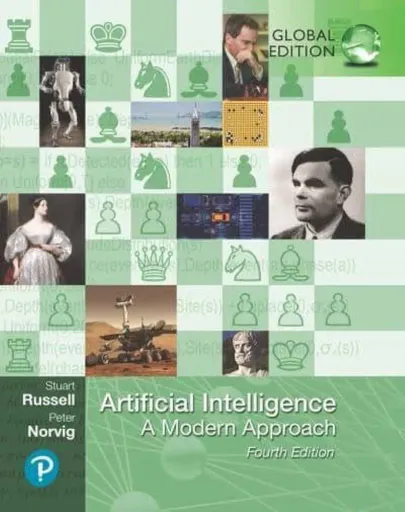
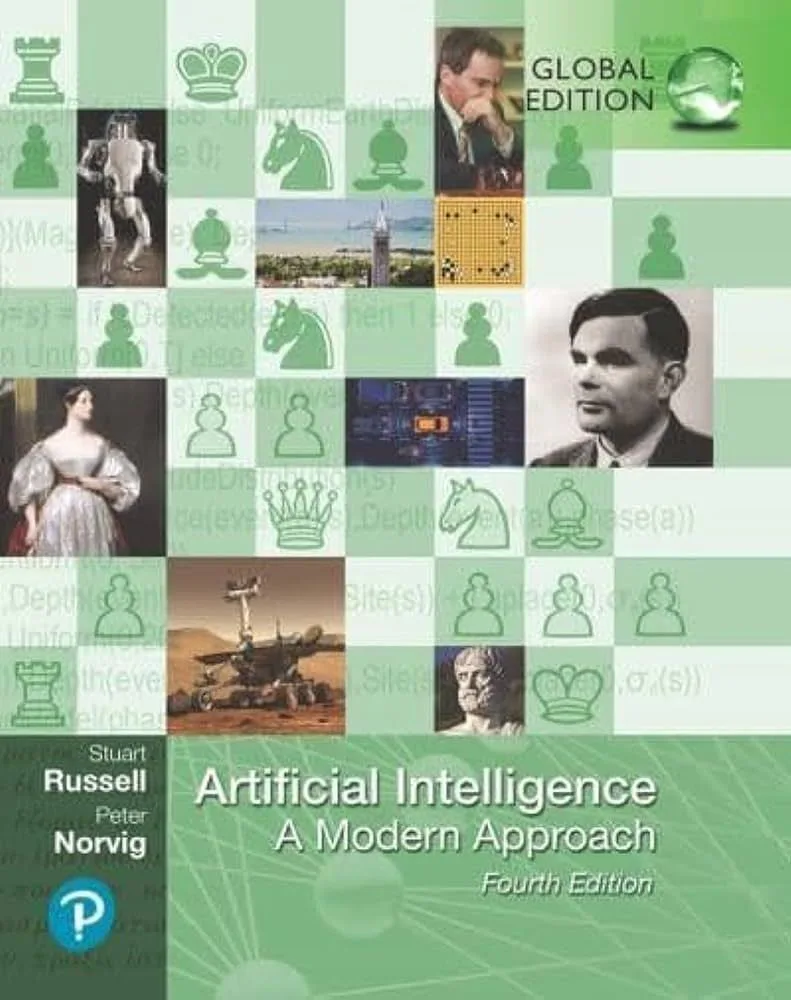
Connectez-vous pour masquer les pubsQuelqu'un a déjà lu ce pavé de 1000 pages? Quelle purge...

En vrai ça va c'est surtout le premier chapitre qui est chiant

il y a 2 ans






Non mais du coup tu vas nous en faire le résumé

Je suis au chapitre 2

il y a 2 ans









Quelqu'un a déjà lu ce pavé de 1000 pages? Quelle purge...
“Artificial Intelligence: A Modern Approach” by Peter Norvig and Stuart Russell is an extensive and highly regarded textbook that serves as a comprehensive guide to the field of artificial intelligence (AI). The book covers a wide range of topics, from fundamental concepts to advanced techniques, and explores the practical applications and ethical implications of AI. With its balanced blend of theory and practical examples, it has become a seminal resource for students, researchers, and practitioners in the field. This expanded summary will provide a more detailed overview of the book, including key takeaways.
The book begins by introducing the fundamental concepts of AI, laying the groundwork for understanding the field’s principles and techniques. It covers topics such as problem-solving, knowledge representation, and reasoning, providing readers with a solid foundation. The authors present various AI methodologies, including search algorithms, game playing, knowledge-based systems, and planning. Each methodology is explained in detail, with examples and case studies to illustrate their practical applications.
One of the key areas explored in the book is machine learning, which has become a central component of AI. Norvig and Russell delve into different machine learning techniques, such as supervised learning, unsupervised learning, and reinforcement learning. They provide a comprehensive understanding of these techniques, their underlying principles, and their applications across various domains. The authors also highlight the ethical considerations associated with machine learning, including bias, fairness, and transparency.
“Artificial Intelligence: A Modern Approach” goes beyond the basics and delves into advanced topics in AI. It covers natural language processing, an area concerned with enabling computers to understand and generate human language. The book explores techniques for parsing, semantic analysis, and machine translation. It also addresses the challenges of working with unstructured data and discusses the applications of natural language processing in areas such as chatbots and virtual assistants.
Robotics is another significant area covered in the book. Norvig and Russell discuss robot architectures, perception and action, and the challenges involved in robot learning and control. They explore the field of computer vision, enabling machines to understand and interpret visual data. The authors cover topics such as image recognition, object detection, and scene understanding.
Multi-agent systems, which involve multiple autonomous agents working together to achieve common goals, are also a focus of the book. Norvig and Russell explore topics such as negotiation, coordination, and cooperation among agents. They discuss the challenges and techniques for designing and programming intelligent agents that can interact effectively in dynamic environments.
Ethical considerations play a vital role throughout the book. Norvig and Russell highlight the ethical implications of AI and address the social impact of AI technologies. They discuss issues such as privacy, bias, accountability, and the ethical responsibilities of AI developers and users. The authors emphasize the importance of responsible AI development and the need to ensure that AI systems align with societal values and norms.
Key Takeaways:
Comprehensive Overview: “Artificial Intelligence: A Modern Approach” provides a comprehensive and authoritative introduction to the field of AI, covering foundational concepts, methodologies, and advanced topics.
Broad Range of Techniques: The book explores various AI techniques, including search algorithms, game playing, machine learning, natural language processing, robotics, and multi-agent systems. It equips readers with a diverse set of tools and techniques for addressing different AI challenges.
Practical Applications: Norvig and Russell highlight the real-world applications of AI across various domains. They provide examples and case studies that demonstrate how AI can be applied to solve complex problems and enhance fields such as healthcare, finance, and transportation.
Ethical Implications: The book emphasizes the ethical considerations associated with AI. It raises awareness of issues such as privacy, bias, accountability, and the societal impact of AI. Norvig and Russell stress the importance of responsible AI development, highlighting the need for ethical guidelines and frameworks.
Relevance and Authority: “Artificial Intelligence: A Modern Approach” is widely regarded as a leading textbook in the field. It combines theoretical foundations with practical insights, making it a valuable resource for students, researchers, and practitioners in AI.
In conclusion, “Artificial Intelligence: A Modern Approach” is an indispensable resource for anyone seeking a comprehensive understanding of AI. Norvig and Russell cover a wide range of topics, from foundational concepts to advanced techniques, and explore the practical applications and ethical considerations associated with AI. The book equips readers with the necessary knowledge and tools to navigate the complexities of AI and underscores the importance of responsible and ethical AI development.
The book begins by introducing the fundamental concepts of AI, laying the groundwork for understanding the field’s principles and techniques. It covers topics such as problem-solving, knowledge representation, and reasoning, providing readers with a solid foundation. The authors present various AI methodologies, including search algorithms, game playing, knowledge-based systems, and planning. Each methodology is explained in detail, with examples and case studies to illustrate their practical applications.
One of the key areas explored in the book is machine learning, which has become a central component of AI. Norvig and Russell delve into different machine learning techniques, such as supervised learning, unsupervised learning, and reinforcement learning. They provide a comprehensive understanding of these techniques, their underlying principles, and their applications across various domains. The authors also highlight the ethical considerations associated with machine learning, including bias, fairness, and transparency.
“Artificial Intelligence: A Modern Approach” goes beyond the basics and delves into advanced topics in AI. It covers natural language processing, an area concerned with enabling computers to understand and generate human language. The book explores techniques for parsing, semantic analysis, and machine translation. It also addresses the challenges of working with unstructured data and discusses the applications of natural language processing in areas such as chatbots and virtual assistants.
Robotics is another significant area covered in the book. Norvig and Russell discuss robot architectures, perception and action, and the challenges involved in robot learning and control. They explore the field of computer vision, enabling machines to understand and interpret visual data. The authors cover topics such as image recognition, object detection, and scene understanding.
Multi-agent systems, which involve multiple autonomous agents working together to achieve common goals, are also a focus of the book. Norvig and Russell explore topics such as negotiation, coordination, and cooperation among agents. They discuss the challenges and techniques for designing and programming intelligent agents that can interact effectively in dynamic environments.
Ethical considerations play a vital role throughout the book. Norvig and Russell highlight the ethical implications of AI and address the social impact of AI technologies. They discuss issues such as privacy, bias, accountability, and the ethical responsibilities of AI developers and users. The authors emphasize the importance of responsible AI development and the need to ensure that AI systems align with societal values and norms.
Key Takeaways:
Comprehensive Overview: “Artificial Intelligence: A Modern Approach” provides a comprehensive and authoritative introduction to the field of AI, covering foundational concepts, methodologies, and advanced topics.
Broad Range of Techniques: The book explores various AI techniques, including search algorithms, game playing, machine learning, natural language processing, robotics, and multi-agent systems. It equips readers with a diverse set of tools and techniques for addressing different AI challenges.
Practical Applications: Norvig and Russell highlight the real-world applications of AI across various domains. They provide examples and case studies that demonstrate how AI can be applied to solve complex problems and enhance fields such as healthcare, finance, and transportation.
Ethical Implications: The book emphasizes the ethical considerations associated with AI. It raises awareness of issues such as privacy, bias, accountability, and the societal impact of AI. Norvig and Russell stress the importance of responsible AI development, highlighting the need for ethical guidelines and frameworks.
Relevance and Authority: “Artificial Intelligence: A Modern Approach” is widely regarded as a leading textbook in the field. It combines theoretical foundations with practical insights, making it a valuable resource for students, researchers, and practitioners in AI.
In conclusion, “Artificial Intelligence: A Modern Approach” is an indispensable resource for anyone seeking a comprehensive understanding of AI. Norvig and Russell cover a wide range of topics, from foundational concepts to advanced techniques, and explore the practical applications and ethical considerations associated with AI. The book equips readers with the necessary knowledge and tools to navigate the complexities of AI and underscores the importance of responsible and ethical AI development.
il y a 2 ans
“Artificial Intelligence: A Modern Approach” by Peter Norvig and Stuart Russell is an extensive and highly regarded textbook that serves as a comprehensive guide to the field of artificial intelligence (AI). The book covers a wide range of topics, from fundamental concepts to advanced techniques, and explores the practical applications and ethical implications of AI. With its balanced blend of theory and practical examples, it has become a seminal resource for students, researchers, and practitioners in the field. This expanded summary will provide a more detailed overview of the book, including key takeaways.
The book begins by introducing the fundamental concepts of AI, laying the groundwork for understanding the field’s principles and techniques. It covers topics such as problem-solving, knowledge representation, and reasoning, providing readers with a solid foundation. The authors present various AI methodologies, including search algorithms, game playing, knowledge-based systems, and planning. Each methodology is explained in detail, with examples and case studies to illustrate their practical applications.
One of the key areas explored in the book is machine learning, which has become a central component of AI. Norvig and Russell delve into different machine learning techniques, such as supervised learning, unsupervised learning, and reinforcement learning. They provide a comprehensive understanding of these techniques, their underlying principles, and their applications across various domains. The authors also highlight the ethical considerations associated with machine learning, including bias, fairness, and transparency.
“Artificial Intelligence: A Modern Approach” goes beyond the basics and delves into advanced topics in AI. It covers natural language processing, an area concerned with enabling computers to understand and generate human language. The book explores techniques for parsing, semantic analysis, and machine translation. It also addresses the challenges of working with unstructured data and discusses the applications of natural language processing in areas such as chatbots and virtual assistants.
Robotics is another significant area covered in the book. Norvig and Russell discuss robot architectures, perception and action, and the challenges involved in robot learning and control. They explore the field of computer vision, enabling machines to understand and interpret visual data. The authors cover topics such as image recognition, object detection, and scene understanding.
Multi-agent systems, which involve multiple autonomous agents working together to achieve common goals, are also a focus of the book. Norvig and Russell explore topics such as negotiation, coordination, and cooperation among agents. They discuss the challenges and techniques for designing and programming intelligent agents that can interact effectively in dynamic environments.
Ethical considerations play a vital role throughout the book. Norvig and Russell highlight the ethical implications of AI and address the social impact of AI technologies. They discuss issues such as privacy, bias, accountability, and the ethical responsibilities of AI developers and users. The authors emphasize the importance of responsible AI development and the need to ensure that AI systems align with societal values and norms.
Key Takeaways:
Comprehensive Overview: “Artificial Intelligence: A Modern Approach” provides a comprehensive and authoritative introduction to the field of AI, covering foundational concepts, methodologies, and advanced topics.
Broad Range of Techniques: The book explores various AI techniques, including search algorithms, game playing, machine learning, natural language processing, robotics, and multi-agent systems. It equips readers with a diverse set of tools and techniques for addressing different AI challenges.
Practical Applications: Norvig and Russell highlight the real-world applications of AI across various domains. They provide examples and case studies that demonstrate how AI can be applied to solve complex problems and enhance fields such as healthcare, finance, and transportation.
Ethical Implications: The book emphasizes the ethical considerations associated with AI. It raises awareness of issues such as privacy, bias, accountability, and the societal impact of AI. Norvig and Russell stress the importance of responsible AI development, highlighting the need for ethical guidelines and frameworks.
Relevance and Authority: “Artificial Intelligence: A Modern Approach” is widely regarded as a leading textbook in the field. It combines theoretical foundations with practical insights, making it a valuable resource for students, researchers, and practitioners in AI.
In conclusion, “Artificial Intelligence: A Modern Approach” is an indispensable resource for anyone seeking a comprehensive understanding of AI. Norvig and Russell cover a wide range of topics, from foundational concepts to advanced techniques, and explore the practical applications and ethical considerations associated with AI. The book equips readers with the necessary knowledge and tools to navigate the complexities of AI and underscores the importance of responsible and ethical AI development.
The book begins by introducing the fundamental concepts of AI, laying the groundwork for understanding the field’s principles and techniques. It covers topics such as problem-solving, knowledge representation, and reasoning, providing readers with a solid foundation. The authors present various AI methodologies, including search algorithms, game playing, knowledge-based systems, and planning. Each methodology is explained in detail, with examples and case studies to illustrate their practical applications.
One of the key areas explored in the book is machine learning, which has become a central component of AI. Norvig and Russell delve into different machine learning techniques, such as supervised learning, unsupervised learning, and reinforcement learning. They provide a comprehensive understanding of these techniques, their underlying principles, and their applications across various domains. The authors also highlight the ethical considerations associated with machine learning, including bias, fairness, and transparency.
“Artificial Intelligence: A Modern Approach” goes beyond the basics and delves into advanced topics in AI. It covers natural language processing, an area concerned with enabling computers to understand and generate human language. The book explores techniques for parsing, semantic analysis, and machine translation. It also addresses the challenges of working with unstructured data and discusses the applications of natural language processing in areas such as chatbots and virtual assistants.
Robotics is another significant area covered in the book. Norvig and Russell discuss robot architectures, perception and action, and the challenges involved in robot learning and control. They explore the field of computer vision, enabling machines to understand and interpret visual data. The authors cover topics such as image recognition, object detection, and scene understanding.
Multi-agent systems, which involve multiple autonomous agents working together to achieve common goals, are also a focus of the book. Norvig and Russell explore topics such as negotiation, coordination, and cooperation among agents. They discuss the challenges and techniques for designing and programming intelligent agents that can interact effectively in dynamic environments.
Ethical considerations play a vital role throughout the book. Norvig and Russell highlight the ethical implications of AI and address the social impact of AI technologies. They discuss issues such as privacy, bias, accountability, and the ethical responsibilities of AI developers and users. The authors emphasize the importance of responsible AI development and the need to ensure that AI systems align with societal values and norms.
Key Takeaways:
Comprehensive Overview: “Artificial Intelligence: A Modern Approach” provides a comprehensive and authoritative introduction to the field of AI, covering foundational concepts, methodologies, and advanced topics.
Broad Range of Techniques: The book explores various AI techniques, including search algorithms, game playing, machine learning, natural language processing, robotics, and multi-agent systems. It equips readers with a diverse set of tools and techniques for addressing different AI challenges.
Practical Applications: Norvig and Russell highlight the real-world applications of AI across various domains. They provide examples and case studies that demonstrate how AI can be applied to solve complex problems and enhance fields such as healthcare, finance, and transportation.
Ethical Implications: The book emphasizes the ethical considerations associated with AI. It raises awareness of issues such as privacy, bias, accountability, and the societal impact of AI. Norvig and Russell stress the importance of responsible AI development, highlighting the need for ethical guidelines and frameworks.
Relevance and Authority: “Artificial Intelligence: A Modern Approach” is widely regarded as a leading textbook in the field. It combines theoretical foundations with practical insights, making it a valuable resource for students, researchers, and practitioners in AI.
In conclusion, “Artificial Intelligence: A Modern Approach” is an indispensable resource for anyone seeking a comprehensive understanding of AI. Norvig and Russell cover a wide range of topics, from foundational concepts to advanced techniques, and explore the practical applications and ethical considerations associated with AI. The book equips readers with the necessary knowledge and tools to navigate the complexities of AI and underscores the importance of responsible and ethical AI development.
Omg merci maintenant je sais littéralement tout sur l'IA
il y a 2 ans
Il parle du porno généré par l'AI pour de la VR ?

Il explique les connaissances théoriques ainsi que les outils techniques pour créer une IA capable de telles prouesse

il y a 2 ans
Sponsorisé
Connectez-vous pour masquer les pubsOmg merci maintenant je sais littéralement tout sur l'IA
et surtout gagné du temps, si t'as des question pose les a gpt-4o en mode vocal et casse pas les couille

il y a 2 ans