Sujet résolu
L'auteur a trouvé une solution à son problème.



Sponsorisé
Connectez-vous pour masquer les pubs









YouTube
Vidéo YouTubeChelsea a écrasé Barcelone tactiquement, physiquement et mentalement. Maresca a joué Chelsea en 4 2 3 1 avec Enzo en 10, Ceicedo et James en pivots pour mettre énormément d'impact et d'agressivité au milieu de terrain. En attaque on avait Neto en pointe, Garnacho à gauche et Estevao à droite. Du côté du Barca, Hansi Flick mettait un 4 3 3 avec en l'absence de Pedri, De Jong, Eric Garcia et Fermin Lopez au milieu. Yamal et Torres épaulaient Lewandowski en attaque. Dès le début Chelsea était agressif au pressing haut sur le terrain avec Gusto le latéral droit qui monte très haut pour presser Baldeé et l'empêcher de monter pour contrer ce pressing agressif, les Barcelonais cherchaient Lewandowski qui descendait en pivot mais il était suivi par Chalobah, l'un des 2 défenseurs centraux, ce qui permet de maintenir le pressing et enfermer les Barcelonais. A l'inverse, quand Chelsea avait la possession et essayait de construire, le pressing du Barca était plus faible avec seulement 4 joueurs qui pressaient très haut sur le terrain. Estevao pouvait prendre la balle sans être suivi par Baldé à cause de la montée de Gusto. Quand Garnacho avait la balle sur le côté gauche il essayait de percuter et d'accélérer pour mettre la pression sur Koundé et le faire reculer jusqu'à sa surface de réparation puis centrer. Les corners sont joués rapidement avec des centres dans le dos de la défense. Le but est refusé pour faute de main. Le Barca aura une occasion en début de match avec une récupération très haute par De Jong, Yamal sert Torres au point de pénalty lequel ne cadre pas. Chelsea essayait de profiter des 2 v 1 face à Koundé avec les montée de Cucurella quand Yamal ne faisait pas les replis défensifs. Même quand Baldé montait et progressait la balle au centre, Yamal et Torres étaient totalement écartés loin de la zone de danger. La montée de Baldé était déjà prévue dans le plan de Chelsea.
Baldé est explosif et peut prendre le dessus sur Gusto en 1 v 1 donc James venait souvent couvrir dans le dos de Gusto tout en couvrant l'axe et fermant la solution de passe à De Jong. Et quand Baldé misait sur le long long, Lewandowski était suivi de près par Chalobah alors Lewa essayait de combiner avec Torres qui descendait également. Mais ce dernier n'était pas dans un grand jour. Le Barca contre à plusieurs reprise le pressing de Chelsea mais les joueurs de Barcelone n'avaient aucune projection verticale en essayant juste de faire du jeu de possession. Pour sortir du pressing, Barcelona cherche souvent à passer par Yamal sur l'aile droite ce qui déclenche le pressing de Cucurella dans son dos. Cucurella prendra souvent le dessus sur Yamal. Cucurella était plus dangereux dans la surface adverse que Yamal. Yamal va donc petit à petit essayer d'éviter le duel avec Cucurella pour lancer en profondeur ses coéquipiers, sans succès. Chelsea continue à faire du jeu direct avec Enzo qui descend pour proposer une solution à ses défenseurs pour ensuite jouer rapidement direct avec un long ballon sans regarder sur l'aile droite dans le dos de la défense barcelonaise. Quand cela arrive, Estevao monte dans l'axe pour attirer Baldé avec lui tandis que Malo Gusto monte dans le dos de Torres le long de la ligne de touche. Et bien sûr ces difficultés ne se sont pas arrangées avec le carton rouge d'Araujo pour faute sur Cucurella à l'issue d'une bonne combinaison de passes par Chelsea. Le deuxième but de Chelsea vient d'une passe ratée de De Jong pour Baldé. De Jong essaye de réparer son erreur mais quitte son poste dans l'axe. Derrière le ballon arrive à Estevao qui bat Cubarsi au duel et envoie une praline sur la barre de Garcia. Derrière, la coordination défensive de Chelsea est totale. Même quand Lopez et Torres sont lancés en profondeur, ils perdaient la grande majorité de leurs duels en 1 v 1.
Flick a fait rentrer Christiensen au milieu et Raphina en attaque pour apporter plus d'intensité mais c'est trop tard. Sur le troisième but de Chelsea, Neto est trouvé sur l'aile gauche qui temporise et attend le dernier moment pour faire la passe à Caicedo dans l'axe ce qui fait que De Jong va dézoner à nouveau pour mettre la pression sans réellement la mettre. Pendant ce temps, Neto s'est déplacé pour se positionner dans la position initiale de De Jong. Derrière les attaquants des Blues font accélérer pour mettre la défense des Blaugranas en difficulté ce qui permet à Neto de progresser dans l'axe et dès qua la ligne des défenseurs s'arrête, il réalise une passe verticale dans leur dos pour lancer Enzo Fernandez qui derrière sert Delap qui marque : 3 - 0 pour Chelsea. Maresca a mis en place un plan tactique intelligent : on développe le jeu d'abord sur l'aile droite puis ensuite on passe sur l'aile gauche pour profiter du retard de Yamal et mettre la pression sur Koundé. De son côté, Hansi Flick a essayé de mettre en place des tactiques pour développer le jeu et contrer le pressing de Chelsea, ce qui a bien marché par moments. Mais les Barcelonais essayaient de réaliser un jeu de possession sans leur maître du jeu, Pedri, en misant essentiellement sur De Jong et Yamal mais les 2 joueurs n'étaient pas à la hauteur. Et même les rares fois où ils prenaient le dessus, leurs coéquipiers n'étaient pas tranchants ou dans le bon tempo. De leur côté, Chelsea était plus direct et menaçant dans le jeu.
il y a 10 mois
Vitinha, le meilleur milieu de terrain au monde en 2025.
 How One Small Difference Let Chelsea Dominate Barca
When Chelsea looked to build from deep, we know Barcelona like to defend with a very aggressive high line. So that was naturally paried with a desire to press high up the pitch. ut it wasn't mindlessly chasing after the ball but rather Barca using an option oriented pressing system high up the pitch led by Lewandowski and Yamal. The ball tended to go to Chalobah where Yamal would then look to press from out to in making sure that the pass into Cucurella wasn't available. At the same time in this initial phase, Lewandowski's job was to cut out a deep midfielder to minimize the chances of Chelsea playing through the center. Naturally this left the pass into for Fofana free. Only once he had received the ball would Lewandowski spring forward into him while still trying to cut out the pass into the midfield. This was good in theory, but for an effective option oriented pressing system, it's essential that there are no easy outlet options or the whole thing falls apart. Unfortunatly for Barcelona, the chip ball into Cucurella was almost always available, allowing Chelsea to escape the press without that much difficulty because Koundé wasn't generally backing up the press. At the same time, Yamal didn't have the work rate to cover to recover in time in these situations. Cucurella ended up having the most touches on the pitch as a result. But most of the times that this happened, particulary early on, Cucurella wasn't particularly aggressive when driving forward with the ball at is feet. So at times, this didn't particularly hurt Barcelona. That was because for most part, Maresca wanted to use him as the more defensive fullback. But at the very highest level, a player with time and space combined with runners in behind and a high line is a recipe for disaster for the defensive team. So we saw Chelsea using these positions to look to play in behind.
This right side issue became so problematic for Barcelona that they were forced to shift their pressing structure with Yamal moving back out wide onto Cucurella and Fermin Lopez being more aggressive from the midfield into Chalobah when possible. But there is a difference between being positioned near your man and defending your man, as on more than one occasion, Cucurella was able to get onto the ball with Yamal in close proximity. But because of the lack of intensity from Yamal, Cucurella was still able to get his pass off again, helping Chelsea to look to take advantage of that high line. But Chelsea didn't have to build directly through the left side to look dangerous, as they looked lethal down both flanks with the dynamic being completly different down the right. Malo Gusto was granted much more freedom and in the early phases, he could look to drop into the midfield to try and overload Barcelona as they were man to man with the other midfielders. However, Baldé was willing to be extremely aggressive and drop in with his man, at least initially. Because Estevao would be sure to push even higher and wider, trying to either force a center back into uncomfortable wide positions or force Baldé to drop deep which would open up more room for Gusto. But as the game progressed, the relationship between this pair grew even stronger. With Ferran often getting caught higher up the pitch pressing Fofana. When Chelsea shifted into a back 3, Gusto would push extremely high, either inside or outside of his winger. And crucially, it meant that there could be a 2 v 1 against Baldé opening up. And this overloading of Baldé could be effective either for the run in behind. Or if they were higher up the pitch for the run into the half space. And generally, the runs in behind are what Barca struggled with the most. Barcelona's high line is not new. But if forwards are making runs from higher up, Barcelona can still be effective with that offside trap.
But opponents have become better at using runs from deep to break down the offside trap while the Barcelona's defensive line is still moving forwards. And the beauty of the Chelsea attack down the right side is what it allowed on the other side. Yamal's work rate defensively wasn't the best and as a result, he would often still be high up the pitch down this flank, opening up the opportunity for isolations against Koundé through Garnacho if they were able to switch the ball from the right to the left quickly. And at times, Cucurella would even arrive late on the overlap completly unchallenged, creating a 2 v 1 against Koundé. What Chelsea did out of possession was just as interesting as they had a similar pressing structure to Barcelona's. But with some important tweaks that made the difference. When Barcelona were in possession, they also had their right winger pressing the center back. But the Blues were much more aggressive with the press and were less option oriented and instead, it was a man oriented press with Neto and Estevao applying direct pressure. onto the center backs. The difference between this and Barcelona's press shape is where Koundé was more passive, Gusto from right back was willing to apply immediate pressure onto Balde to trap Barcelona in this region quite often with Fofana backing him up by pressing Torres. And importantly, rather than shifting into a back 3 in this phaes, Chelsea actually kept a back 4 because Caicedo would drop into the back line. But while broadly speaking, the shape was successfull, it was into Chelsea's biggest defensive weakness. As the deeper Torres dropped, the further up Fofana would be dragged out of position, creating more and more room in behind him.
And Barcelona could look to take advantage of this directly. We saw this with Estevao pressing centrally while Gusto immediatly backs up the press. Ferran Torres drags Fofana way out of position and the one-two means that Balde would have had green grass to break into if not for the smart foul from Gusto. Another time it was De Jong breaking from the midfield into the space. And while Caicedo as the temporary extra center back saves them for certain disaster, Barca still get into a promising situation. But there was another implicit risk in the Chelsea high press shape as they had essentially shifted into a 4 4 2 or a 4 2 4 with Caicedo having dropped in, meaning they only had 2 men in the midfield. So it was vital that this man to man pressure from their right side prevented any play through the middle because on more than one occasion, when Caicedo was caught deep, it meant that Fermin Lopez would have acres of space to receive between the lines and be running at the defense. It was an interesting tactical match, especially when things were 11 v 11, showing how subtle tweaks can make the difference at the very highest level.
YouTube
Vidéo YouTubeWhen Chelsea looked to build from deep, we know Barcelona like to defend with a very aggressive high line. So that was naturally paried with a desire to press high up the pitch. ut it wasn't mindlessly chasing after the ball but rather Barca using an option oriented pressing system high up the pitch led by Lewandowski and Yamal. The ball tended to go to Chalobah where Yamal would then look to press from out to in making sure that the pass into Cucurella wasn't available. At the same time in this initial phase, Lewandowski's job was to cut out a deep midfielder to minimize the chances of Chelsea playing through the center. Naturally this left the pass into for Fofana free. Only once he had received the ball would Lewandowski spring forward into him while still trying to cut out the pass into the midfield. This was good in theory, but for an effective option oriented pressing system, it's essential that there are no easy outlet options or the whole thing falls apart. Unfortunatly for Barcelona, the chip ball into Cucurella was almost always available, allowing Chelsea to escape the press without that much difficulty because Koundé wasn't generally backing up the press. At the same time, Yamal didn't have the work rate to cover to recover in time in these situations. Cucurella ended up having the most touches on the pitch as a result. But most of the times that this happened, particulary early on, Cucurella wasn't particularly aggressive when driving forward with the ball at is feet. So at times, this didn't particularly hurt Barcelona. That was because for most part, Maresca wanted to use him as the more defensive fullback. But at the very highest level, a player with time and space combined with runners in behind and a high line is a recipe for disaster for the defensive team. So we saw Chelsea using these positions to look to play in behind.
This right side issue became so problematic for Barcelona that they were forced to shift their pressing structure with Yamal moving back out wide onto Cucurella and Fermin Lopez being more aggressive from the midfield into Chalobah when possible. But there is a difference between being positioned near your man and defending your man, as on more than one occasion, Cucurella was able to get onto the ball with Yamal in close proximity. But because of the lack of intensity from Yamal, Cucurella was still able to get his pass off again, helping Chelsea to look to take advantage of that high line. But Chelsea didn't have to build directly through the left side to look dangerous, as they looked lethal down both flanks with the dynamic being completly different down the right. Malo Gusto was granted much more freedom and in the early phases, he could look to drop into the midfield to try and overload Barcelona as they were man to man with the other midfielders. However, Baldé was willing to be extremely aggressive and drop in with his man, at least initially. Because Estevao would be sure to push even higher and wider, trying to either force a center back into uncomfortable wide positions or force Baldé to drop deep which would open up more room for Gusto. But as the game progressed, the relationship between this pair grew even stronger. With Ferran often getting caught higher up the pitch pressing Fofana. When Chelsea shifted into a back 3, Gusto would push extremely high, either inside or outside of his winger. And crucially, it meant that there could be a 2 v 1 against Baldé opening up. And this overloading of Baldé could be effective either for the run in behind. Or if they were higher up the pitch for the run into the half space. And generally, the runs in behind are what Barca struggled with the most. Barcelona's high line is not new. But if forwards are making runs from higher up, Barcelona can still be effective with that offside trap.
But opponents have become better at using runs from deep to break down the offside trap while the Barcelona's defensive line is still moving forwards. And the beauty of the Chelsea attack down the right side is what it allowed on the other side. Yamal's work rate defensively wasn't the best and as a result, he would often still be high up the pitch down this flank, opening up the opportunity for isolations against Koundé through Garnacho if they were able to switch the ball from the right to the left quickly. And at times, Cucurella would even arrive late on the overlap completly unchallenged, creating a 2 v 1 against Koundé. What Chelsea did out of possession was just as interesting as they had a similar pressing structure to Barcelona's. But with some important tweaks that made the difference. When Barcelona were in possession, they also had their right winger pressing the center back. But the Blues were much more aggressive with the press and were less option oriented and instead, it was a man oriented press with Neto and Estevao applying direct pressure. onto the center backs. The difference between this and Barcelona's press shape is where Koundé was more passive, Gusto from right back was willing to apply immediate pressure onto Balde to trap Barcelona in this region quite often with Fofana backing him up by pressing Torres. And importantly, rather than shifting into a back 3 in this phaes, Chelsea actually kept a back 4 because Caicedo would drop into the back line. But while broadly speaking, the shape was successfull, it was into Chelsea's biggest defensive weakness. As the deeper Torres dropped, the further up Fofana would be dragged out of position, creating more and more room in behind him.
And Barcelona could look to take advantage of this directly. We saw this with Estevao pressing centrally while Gusto immediatly backs up the press. Ferran Torres drags Fofana way out of position and the one-two means that Balde would have had green grass to break into if not for the smart foul from Gusto. Another time it was De Jong breaking from the midfield into the space. And while Caicedo as the temporary extra center back saves them for certain disaster, Barca still get into a promising situation. But there was another implicit risk in the Chelsea high press shape as they had essentially shifted into a 4 4 2 or a 4 2 4 with Caicedo having dropped in, meaning they only had 2 men in the midfield. So it was vital that this man to man pressure from their right side prevented any play through the middle because on more than one occasion, when Caicedo was caught deep, it meant that Fermin Lopez would have acres of space to receive between the lines and be running at the defense. It was an interesting tactical match, especially when things were 11 v 11, showing how subtle tweaks can make the difference at the very highest level.
il y a 10 mois
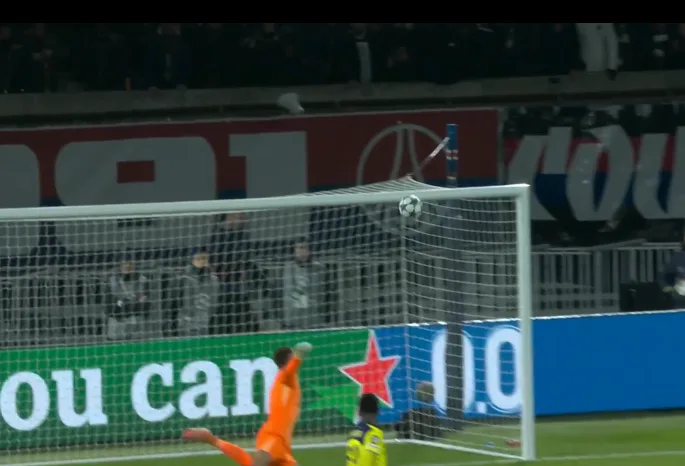

YouTube
Vidéo YouTubeHaaland, Kane, Mbappé average over 1 goal per match so far since the beginning of the 2025 / 2026 season but it's not the only thing they have in common. The raw power of Erling Haaland, the all around playmaking of Harry Kane or the pace and skillfulness of Kylian Mbappé means that the goals they tend to score are different and the role within their teams leads to different tactical systems. Behing these 3 players stand 3 of the best managers in the world : Guardiola, Kompany and Alonso. Each built a system designed to highlight the strengh of their best striker and hide some of their glaring weaknesses.Because while they all excel in specific metrics, there are still some limits. What drives tactical innovation? Is it the genius idea of managers that find the perfect system that the players need to fall into. Or is it the individual brillance players that dictate what a manager needs to do? For Haaland, Pep Guardiola developed a system that masks some of his limits. On Fotmop by looking at the amount of passes completed per 90 minutes in the Man City squad, Haaland is currently last with 8 successfull passes per match, even less than goalkeeper Donnarumma who has an average of 17. His average success rate of passes is 65%. Overall, chance creation and overall play are not what makes him one of the best players. The overall tactical trend for Manchester City this season is to completly overload the midfield with great ball players while Haaland's task si to keep pushing the defensive line back, freeing spaces between the lines and threatening a run in behind Haaland's second goal against Bournemouth is the perfect example of that. It's the same that we saw in City's 3 - 0 win against Liverpool, with them overloading the midfield with midfielders and their inverted wingers, Cherki and Doku. Haaland plays the same way for Norway. He isn't involved in the move but he is always ready ot receive a cross.
Guardiola has to adapt because of Haaland's playing style and because of the other players as well. Last season in 2024 / 2025, with key players injured, it was harder to reach the box for City so Haaland had to drop and get involved more. As for Harry Kane he is not only good in the box, he is also one of the greatest playmaker, constantly moving far off the defensive line to pick up the ball, turning and playing long line breaking passes into the wingers So Vincent Kompany has moulded his tactical ideology around this core playstyle. When Bayern Munich start their attack, the fullbacks will push forward and play in close proximity to the wingers while it's the 2 holding midfielders that will hover around the center backs either dropping between them or stretching the lpitch out wide This instantly does 2 things : Firstly it pins the opposition's defenders in place as with all these players already in an offensive position, it's difficult for them to push forward.Then it vacates the center of the pitch, creating a perfect combination for Kane to drop deep. Many times, these simple rotations mean Kane will be untracked all the way into the midfield. giving him time and space to then do what he does best. Even in the UCL against PSG, one of the most aggressive man marking teams in Europe, this rotation forward from the fullback and the winger ready to play in behind meant that the center backs couldn't easily follow Harry Kane's run and he could then drop deep to receive the ball and play a line breaking pass forward. Once the ball is out wide, Kane will move forward but he is not instantly sprinting to get into the box. Rather, he is slowly drifting into his position in a way that's difficult to track. The defenders need to rush back quickly to form the defensive line and the wingers will slowly try and gain ground while dribbling the fullback. And Kane moves past the midfield line just in time to get on the end of any passes back across the box.
This is why his shot map is pretty spread out compared to Haaland. There's efforts from long ranges, tap ins or even cutbacks around the penalty spot. And it's this role as a false 9 that means he excels both at finishing the move and also creating chance for his teammates, with some of the best metrics in the Bundesliga for players in his position. However, just like with Haaland, Kane isn't perfect and there are areas to his game where he is not as efficient. He is not the quickest player and not known for his intense defensive work rate. To mask these weaknesses, when Bayern are defending, Kane often drops deeper into the midfield, meaning there is a quicker player like Gnabry ready to press the back line. When Bayern regain the ball, he can use his passing range to help the team progress. But he is not the one responsible for running at the back line. If Man City and Bayern swapped strikers, both teams wouldn't play the same way. Kane wouldnt' have any space to drop into midfield and pick up the ball. Even if he did play this line breaking pass into one of the fullbacks overlapping,there wouldn't be anyone ready to attack the box. Similarly if Bayern kept the same system with Haaland instead of Kane, they would probably end up with their midfield completly exposed with no one ready to drop and add support.
And without anyone to fill this gap in the center, it makes it quite difficult to progress up the pitch. As for Xabi Alonso's Real Madrid, after a brillant time at Bayer Leverkusen with free flowing football starting with his 3 4 3 or 3 4 2 1, it looked like Alonso would bring his back 3 formation to Real Madrid. Initially this was what he was trying to do in the club world cup. However he since adapted. One of the biggest differences is the way Real Madrid defend. Real Madrid defend in a much more different way than Bayer Leverkusen. Mbappé has the freedom to stay up the pitch when Real Madrid defends, as his pace in transitions is a vital weapon for them. This instantly limits one of the weaknesses that Mbappé has, which is his defensive work rate. In term of positionning when Real Madrid are in possession, Mbappé sort off falls in the middle of Harry Kane and Erling Haaland. He plays mostly on the defensive line and while he does drop off the defensive line to get on the ball, it's not as far as Harry Kane. And he usually just drops deep enough to open up a gap behind the defense that he will attack himself. Mbappé's goal against Atlético Madrid demonstrates this. Mbappé drops slightly off the defensive line, drags the defender out of position and then bursts forward with incredible power to get on the end of the through ball. Mbappé is almost always ready to be played in behind. If he isn't closed down then he can turn and attempt to dribble the defense himself. This is why his shot map is more spread out compared to both Kane and Haaland. And his attacks are usually created quicker from more transitional moments. And he is more eager to get on the ball in these areas outside the box. So this Real Madrid is a more transitional team with less focus on the high intensive press he used at Leverkusen. By doing this he is getting the most of players like Mbappé.
Without adapting, Alonso's philosophy is still clear to everyone. Real Madrid want to create overloads in possession with fluid rotations, just like we saw at Leverkusen and there is more structure in this team compared to Ancelotti's Real Madrid. Alonso just had to tweak his ideas slightly to best match this new environment. But there is still a clear idea on how he thinks football should be played. So the question of whether it's the players or managers leading the football tactics might be a trap. If you lean too heavily into managerial genius, then you are pretending as if players like Haaland, Kane and Mbappé don't force huge structural changes wherever they go. While if you lean too heavy into the idea that elite players dictate the system, you ignore the fact that elite managers produce recognizable football. We can think the other way when it doesn't work. Liverpool this season spent almost 500 millions to buy elite players in many positions but this team seems out of sync because the manager Arne Slot didn't find a system that integrates all these players. And everyone pay the consequences. Elite managers adapt to the players they have at their disposal. But the core ideas always remain visible. It's the constant tug of war between player and manager that is needed to create true tactical innovations. The worst thing a manager could do is stick to his philosophy that brought him success with one team and expect it to work exactly the same way with 11 different players.
il y a 10 mois
Sponsorisé
Connectez-vous pour masquer les pubs5 - 3 score final pour le PSG. Match spectaculaire.

 How Arteta Found The Only Way To Beat Bayern
Arteta showed us exactly why they've been so dominant this season. From setting perfect pressing traps and luring the opponents into tricky positions to extremely fluid systems when in possession, often ending up with both the holding midfielders acting as the center backs and a lot of rotations all over the pitch. Higher xG, more shots, and a pretty dominant momentum bar. But that didn't stop Bayern from still having the majority of possession. Yet at these moments Arsenal were at their most dangerous. Arsenal have one of the best defensive records. It all start from the man orneted press system which is similar to a lot of Europe's elite teams. Generally speaking, the main priority for teams looking to manmark is to close down your direct opponent as quickly as possible. But Arsenal has a slightly more cautious approach that can set dangerous traps. As soon as Bayern Munich started to attack, the first press was mostly focused on shadow marking passes forward and slowly forcing the opponent into a specific position. Not necessarly out wide and on some occasions Arsenal force you to play down the center. Once the opponent is in this position, the press actually start because any pass forward isd aggressively closed down. Arsenal players had the objective to not let the player turn around. Whether the pass went into the fullbacks out wide or into the center where Lenart Karl and Kane would often drop deep, these players would be closed down. The only option they would have was to go back to the center backs or even to Neuer. It's on this pass back where the whole team pushes forward. Most advanced player closest to the keeper will apply pressure and the backline is all the way forward into the opponent's half. In this situation often the only option is back where the ball came from but there is little chance for Neuer to be able to play it back that direction with Trossard closing him down.
So often it ends up with a long ball with a lot of chance for Arsenal to intercept. But it was mostly in second half where this shape started to be really beneficial for Arsenal with them intercepting a lot of passes forward and having a lot of players to attack. They transitioned quickly. In the 2 - 1 goal there were a lot of these principles. Bayern attempted to play the ball through the center which is intercepted by Declan Rice and suddently Arsenal has a lot of players on the defensive line. A great run forward by Calafiori who delivers an inch perfect cross for Madueke who scores his first goal for Arsenal. Defensively speaking, this shape from Arsenal neutralized Bayern's build up nearly perfectly. Bayern still had the possession. Even when Arsenal had to drop into a deeper position there wasn't this relentless urge to press the backline. But anytime the ball would go into the middle or out wide, the Arsenal's midfielders were ready to apply pressure, forcing them back and then using that as a trigger. This worked great when Bayern wanted to play through the lines and it did make it hard for players like Kane to operate in the spaces that make him dangerous. In fact, one thing Bayern loved to do is try and overload the opposition's midfield, often leaving the center backs with nothing to do. But Arsenal were unfased by this Bayern's rotation, letting Bayern hold possession and ready if they pushed further forward. However, while it was good at limiting central options, one of the risks is that by not applying pressure on the back line, the opposition has time to pick out the wingers running in behind. This is how Bayern scored their equalizer with Kimmich picking up the ball between the center backs with Arsenal waiting for a pass but not rushing forward. But a great ball over the top into Gnabry caught the backline out of position and with a perfect pass across the box, Karl found the equalizer.
This left flank for Arsenal was their only weak spot in the game with Lewis Skelly being exposed at times against Olise and Karl. In possession, Arsenal had some good ideas as well. We came a long way from rigid structures where the players try and create the same shape everytime. From the back, Arsenal is a direct team with David Raya from gk often playing long balls. Even if these long balls weren't mostly accurate with a success rate of 32%, thoe whole team is ready to attack the loose ball. So it doesn't have necessarly to go directly to an Arsenal player. Generally speaking Arsenal isn't a team focused on holding on to the ball for long periods of time. In this game they completed less passes of any type compared to Bayern Munich except accurate crosses. In the Premiere League at this point, Arsenal is outside of the top 4 for accurate passes per match despite the fact that they are the current Premiere League leaders. A lot of time, in possession, Declan Rice and Zubimendi would end up dropping between the center backs or at times even roleplay as the 2 center backs with Saliba and Mosquera pushing wide and having both fullbacks pushing forward. On the frontline, Merino would often drop into a pocket of space in the right inside channel. The build up shape creates 2 triangles on either side of the pitch. On the right with Timber and Saka both alternating their positioning and on the left with Lewis Skelly and Madueke who came on for Trossard. A fundamental movement for Arsenal is when the ball is played forward, the 2 holding midfielders Rice and Zubimendi are not staying in a defensive position. Rather they are aggressively attacking forward and trying to creatr an overload This means there is rarely a recognizable shape when Arsenal have the ball. There is no focus on creating a 3 2 5 or 2 4 4 shape. There is more of a focus on giving any teammate an immediate passing option and always threatening a run in behind the defense.
A great example of this is the huge chance for Declan Rice in the 61st minute. After a decent spell of possession, Rice ended up in left back position Lewis Skelly and Zubimendi as holding midfielders and Merino as the third midfielder. On the right, Mosquera plays the ball over the top for Madueke who knocks it down into the path of Rice rushing ahead of both Olise and Stanisic and nearly making it 2 - 1 for Arsenal. Arsenal not only can be dangerous in and out of possession but also when the ball is out of play because of set pieces.
YouTube
Vidéo YouTubeArteta showed us exactly why they've been so dominant this season. From setting perfect pressing traps and luring the opponents into tricky positions to extremely fluid systems when in possession, often ending up with both the holding midfielders acting as the center backs and a lot of rotations all over the pitch. Higher xG, more shots, and a pretty dominant momentum bar. But that didn't stop Bayern from still having the majority of possession. Yet at these moments Arsenal were at their most dangerous. Arsenal have one of the best defensive records. It all start from the man orneted press system which is similar to a lot of Europe's elite teams. Generally speaking, the main priority for teams looking to manmark is to close down your direct opponent as quickly as possible. But Arsenal has a slightly more cautious approach that can set dangerous traps. As soon as Bayern Munich started to attack, the first press was mostly focused on shadow marking passes forward and slowly forcing the opponent into a specific position. Not necessarly out wide and on some occasions Arsenal force you to play down the center. Once the opponent is in this position, the press actually start because any pass forward isd aggressively closed down. Arsenal players had the objective to not let the player turn around. Whether the pass went into the fullbacks out wide or into the center where Lenart Karl and Kane would often drop deep, these players would be closed down. The only option they would have was to go back to the center backs or even to Neuer. It's on this pass back where the whole team pushes forward. Most advanced player closest to the keeper will apply pressure and the backline is all the way forward into the opponent's half. In this situation often the only option is back where the ball came from but there is little chance for Neuer to be able to play it back that direction with Trossard closing him down.
So often it ends up with a long ball with a lot of chance for Arsenal to intercept. But it was mostly in second half where this shape started to be really beneficial for Arsenal with them intercepting a lot of passes forward and having a lot of players to attack. They transitioned quickly. In the 2 - 1 goal there were a lot of these principles. Bayern attempted to play the ball through the center which is intercepted by Declan Rice and suddently Arsenal has a lot of players on the defensive line. A great run forward by Calafiori who delivers an inch perfect cross for Madueke who scores his first goal for Arsenal. Defensively speaking, this shape from Arsenal neutralized Bayern's build up nearly perfectly. Bayern still had the possession. Even when Arsenal had to drop into a deeper position there wasn't this relentless urge to press the backline. But anytime the ball would go into the middle or out wide, the Arsenal's midfielders were ready to apply pressure, forcing them back and then using that as a trigger. This worked great when Bayern wanted to play through the lines and it did make it hard for players like Kane to operate in the spaces that make him dangerous. In fact, one thing Bayern loved to do is try and overload the opposition's midfield, often leaving the center backs with nothing to do. But Arsenal were unfased by this Bayern's rotation, letting Bayern hold possession and ready if they pushed further forward. However, while it was good at limiting central options, one of the risks is that by not applying pressure on the back line, the opposition has time to pick out the wingers running in behind. This is how Bayern scored their equalizer with Kimmich picking up the ball between the center backs with Arsenal waiting for a pass but not rushing forward. But a great ball over the top into Gnabry caught the backline out of position and with a perfect pass across the box, Karl found the equalizer.
This left flank for Arsenal was their only weak spot in the game with Lewis Skelly being exposed at times against Olise and Karl. In possession, Arsenal had some good ideas as well. We came a long way from rigid structures where the players try and create the same shape everytime. From the back, Arsenal is a direct team with David Raya from gk often playing long balls. Even if these long balls weren't mostly accurate with a success rate of 32%, thoe whole team is ready to attack the loose ball. So it doesn't have necessarly to go directly to an Arsenal player. Generally speaking Arsenal isn't a team focused on holding on to the ball for long periods of time. In this game they completed less passes of any type compared to Bayern Munich except accurate crosses. In the Premiere League at this point, Arsenal is outside of the top 4 for accurate passes per match despite the fact that they are the current Premiere League leaders. A lot of time, in possession, Declan Rice and Zubimendi would end up dropping between the center backs or at times even roleplay as the 2 center backs with Saliba and Mosquera pushing wide and having both fullbacks pushing forward. On the frontline, Merino would often drop into a pocket of space in the right inside channel. The build up shape creates 2 triangles on either side of the pitch. On the right with Timber and Saka both alternating their positioning and on the left with Lewis Skelly and Madueke who came on for Trossard. A fundamental movement for Arsenal is when the ball is played forward, the 2 holding midfielders Rice and Zubimendi are not staying in a defensive position. Rather they are aggressively attacking forward and trying to creatr an overload This means there is rarely a recognizable shape when Arsenal have the ball. There is no focus on creating a 3 2 5 or 2 4 4 shape. There is more of a focus on giving any teammate an immediate passing option and always threatening a run in behind the defense.
A great example of this is the huge chance for Declan Rice in the 61st minute. After a decent spell of possession, Rice ended up in left back position Lewis Skelly and Zubimendi as holding midfielders and Merino as the third midfielder. On the right, Mosquera plays the ball over the top for Madueke who knocks it down into the path of Rice rushing ahead of both Olise and Stanisic and nearly making it 2 - 1 for Arsenal. Arsenal not only can be dangerous in and out of possession but also when the ball is out of play because of set pieces.
il y a 10 mois
Sans oublier Bayern vs Arsenal :
 Every Football Fan Should Have Watched Arsenal vs Bayern
It was a display of how elite teams in 2025 look to do defensively and how attacking teams have been forced to adapt to try and conquer the modern defense. Between 2017 and 2024, the most effective strategy for top teams in possession was cleared and centered around positional play. They mostly either lined up in a 2 3 5 or in a 3 2 5 when attacking and in possession. Reason was most teams defended zonally in either a 4 3 3, a 4 2 3 1 or a 4 4 2 Point is that the positional play system was the ideal system to take advantage of these areas of confusion where zones overlap. For example the half spaces, or the false lines. Now positional play might become more redundant. In Bayern vs Arsenal maltch, look how Bayern's center backs, Tah and Upamecano, pressed. Same for Arsenal's center backs. Both teams deployed agressive man to man pressing structures. In 2025, aggressive man to man pressing has become the norm. Because this sort of pressing system eliminates those embiguous in between zones that positional play takes advantage off because instead, every defender is clear on who they are picking up. So where in the past when a false 9 for example dropped deep, a center back would initially follow deep before eventually having to communicate with the midfielder to take over as they continue to drop deep. Here we saw Upamecano following Merino deep. But crucially, he stays high up the pitch, instructing his teammate to cover for him so that he can remain touch tight and apply immediate pressure as soon as Merino gets on the ball. It looked like this both ways as Arsenal's pressing generally looked like this with Eze high up on one center back and Merino on the other so they could apply man to man pressure on the center backs, but with Eze, a midfielder, this high, it meant that Bayern with their midfield 3 would have a man advantage. So the center back Mosquera pushed all the way up to keep that man to man orientation.
Saliba also pushed high to back up the press on to the dropping Kane, meaning that in theory there should be a huge chasm in where the center backs should be but Arsenal are oka with this because it allows them to maintain their man oriented press. Often, the positional play approach emphasized players in possession, maintaining their structure, but the man to man approach means that every single player is receiving under immense pressure, meaning that the side in possession is either losing the ball, being forced long, or backward. This system proved to be effective at stifling creativity in open play, which is a big reason that the set piece is becoming more important.If you can't break them down through pretty patterns, it makes sense to focus on set piece superiority. Arsenal took advantage of this. Even in open play we see teams in possession hunt for ways to break down the man to man system. Arsenal and Bayern showcased how most teams are looking to do this. The chief way is through extreme rotations. Traditionaly, especially in the build up, positional play approaches prioritize roughly maintaining the structure and letting the ball do the work progressing up the pitch. But the antidote to man marking might be rotations around the pitch with players switching positions so often that it firstly makes it difficult for defenders to track their man. And even if they do, they are forced to defend in positions they are not comfortable in. This was one of the chief ways Arsenal looked to break Bayern Munich down. Mainly through Timber pushing wide, allowing Merino to drop in while Saka moves central so he can potentially use his pace in behind if the center back does follow his man deep. But rotations are common place in any system in modern football and even positional sides has rotations albeit while broadly looking to maintain their structure. So teams in possession have started to broadly abandon their structure when they had the ball.
Instead looking for overloads around the ball to force the opposition into decisions. Because if teams suddently abandon their man to man system, the side with the ball now has a free man and can progress almost effortlessly. But if they follow, they can leave defensive vulnerabilities elsewhere. As often, we saw Arsenal drop Merino into the midfield and Upamecano was fearless in following his man no matter where he went. When Saka looked to exploit this gap, Laimer would stick to his man, meaning that the space never actually emerged. But we also saw how both teams in possession can drag the defensive shape apart. As due to being man to man, it means that the center backs both need to have a man in close proximity. So if there is no immediate forward, they have to push extremely high up the pitch, creating more room in behind that teams can attack. We saw this when Tah and Upamecano pushed high on the Arsenal forwards Eze and Merino who dropped extremely deep. We see then that room begin to emerge in the backline that Arsenal can potentially attack through. Although once again, the man orientation means that Laimer is able to track the run of Saka. Or similarly, when Bayern look to overload their right hand half space, we see both Arsenal's center backs dragged across with their respective number. And because Timber remains man oriented on hs man on the outside rather than staying close to his center back, it means gaps can develop in or near the center that can potentially be taken advantege off. Martinelli's goal exposed situations that can be taken advantage off against pressing systems like this. Upamecano and Tah are still pressing Merino and Eze. This leaves a chasm behind the center backs but this time, Martinelli makes the most of it.
Man to man system mean built in isolations which is fine when players are receiving under pressure deep on the pitch, but if the side in possession is able to progress, tricky wingers can beat their fullbacks and get into goalscoring positions. Neither of these teams made the most of these situations in this game.
YouTube
Vidéo YouTubeIt was a display of how elite teams in 2025 look to do defensively and how attacking teams have been forced to adapt to try and conquer the modern defense. Between 2017 and 2024, the most effective strategy for top teams in possession was cleared and centered around positional play. They mostly either lined up in a 2 3 5 or in a 3 2 5 when attacking and in possession. Reason was most teams defended zonally in either a 4 3 3, a 4 2 3 1 or a 4 4 2 Point is that the positional play system was the ideal system to take advantage of these areas of confusion where zones overlap. For example the half spaces, or the false lines. Now positional play might become more redundant. In Bayern vs Arsenal maltch, look how Bayern's center backs, Tah and Upamecano, pressed. Same for Arsenal's center backs. Both teams deployed agressive man to man pressing structures. In 2025, aggressive man to man pressing has become the norm. Because this sort of pressing system eliminates those embiguous in between zones that positional play takes advantage off because instead, every defender is clear on who they are picking up. So where in the past when a false 9 for example dropped deep, a center back would initially follow deep before eventually having to communicate with the midfielder to take over as they continue to drop deep. Here we saw Upamecano following Merino deep. But crucially, he stays high up the pitch, instructing his teammate to cover for him so that he can remain touch tight and apply immediate pressure as soon as Merino gets on the ball. It looked like this both ways as Arsenal's pressing generally looked like this with Eze high up on one center back and Merino on the other so they could apply man to man pressure on the center backs, but with Eze, a midfielder, this high, it meant that Bayern with their midfield 3 would have a man advantage. So the center back Mosquera pushed all the way up to keep that man to man orientation.
Saliba also pushed high to back up the press on to the dropping Kane, meaning that in theory there should be a huge chasm in where the center backs should be but Arsenal are oka with this because it allows them to maintain their man oriented press. Often, the positional play approach emphasized players in possession, maintaining their structure, but the man to man approach means that every single player is receiving under immense pressure, meaning that the side in possession is either losing the ball, being forced long, or backward. This system proved to be effective at stifling creativity in open play, which is a big reason that the set piece is becoming more important.If you can't break them down through pretty patterns, it makes sense to focus on set piece superiority. Arsenal took advantage of this. Even in open play we see teams in possession hunt for ways to break down the man to man system. Arsenal and Bayern showcased how most teams are looking to do this. The chief way is through extreme rotations. Traditionaly, especially in the build up, positional play approaches prioritize roughly maintaining the structure and letting the ball do the work progressing up the pitch. But the antidote to man marking might be rotations around the pitch with players switching positions so often that it firstly makes it difficult for defenders to track their man. And even if they do, they are forced to defend in positions they are not comfortable in. This was one of the chief ways Arsenal looked to break Bayern Munich down. Mainly through Timber pushing wide, allowing Merino to drop in while Saka moves central so he can potentially use his pace in behind if the center back does follow his man deep. But rotations are common place in any system in modern football and even positional sides has rotations albeit while broadly looking to maintain their structure. So teams in possession have started to broadly abandon their structure when they had the ball.
Instead looking for overloads around the ball to force the opposition into decisions. Because if teams suddently abandon their man to man system, the side with the ball now has a free man and can progress almost effortlessly. But if they follow, they can leave defensive vulnerabilities elsewhere. As often, we saw Arsenal drop Merino into the midfield and Upamecano was fearless in following his man no matter where he went. When Saka looked to exploit this gap, Laimer would stick to his man, meaning that the space never actually emerged. But we also saw how both teams in possession can drag the defensive shape apart. As due to being man to man, it means that the center backs both need to have a man in close proximity. So if there is no immediate forward, they have to push extremely high up the pitch, creating more room in behind that teams can attack. We saw this when Tah and Upamecano pushed high on the Arsenal forwards Eze and Merino who dropped extremely deep. We see then that room begin to emerge in the backline that Arsenal can potentially attack through. Although once again, the man orientation means that Laimer is able to track the run of Saka. Or similarly, when Bayern look to overload their right hand half space, we see both Arsenal's center backs dragged across with their respective number. And because Timber remains man oriented on hs man on the outside rather than staying close to his center back, it means gaps can develop in or near the center that can potentially be taken advantege off. Martinelli's goal exposed situations that can be taken advantage off against pressing systems like this. Upamecano and Tah are still pressing Merino and Eze. This leaves a chasm behind the center backs but this time, Martinelli makes the most of it.
Man to man system mean built in isolations which is fine when players are receiving under pressure deep on the pitch, but if the side in possession is able to progress, tricky wingers can beat their fullbacks and get into goalscoring positions. Neither of these teams made the most of these situations in this game.
il y a 10 mois